Contact
- mbhmli@gate.sinica.edu.tw
- (O) 886-2-2788-3324
(L) 886-2-2789-9220 - N315, Institute of Molecular Biology, Academia Sinica
Research
Mechanisms of Protein Import into Chloroplasts
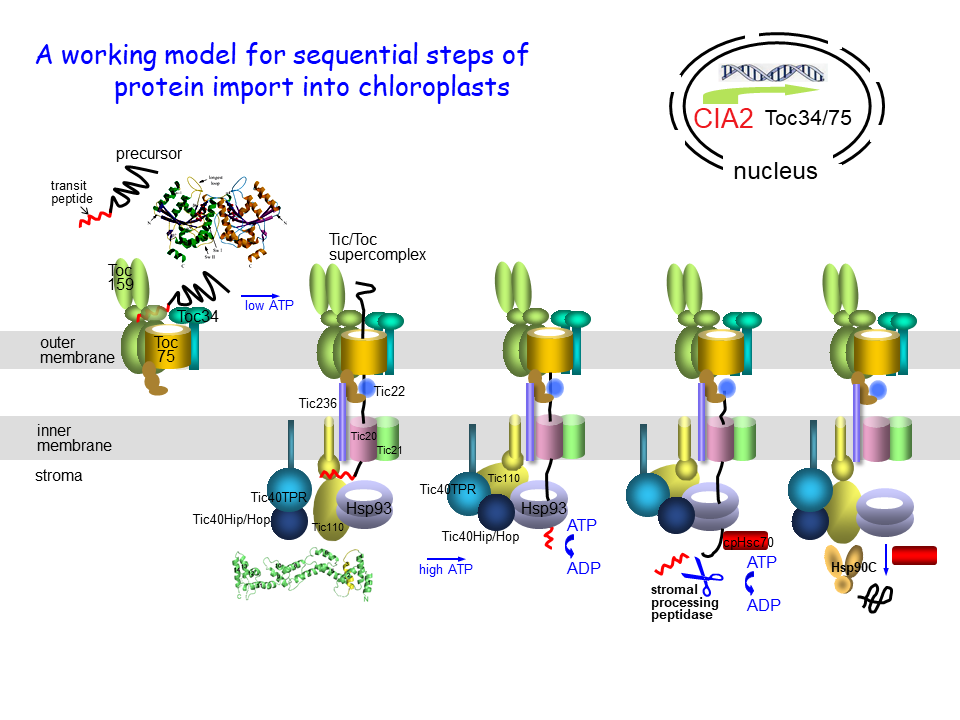
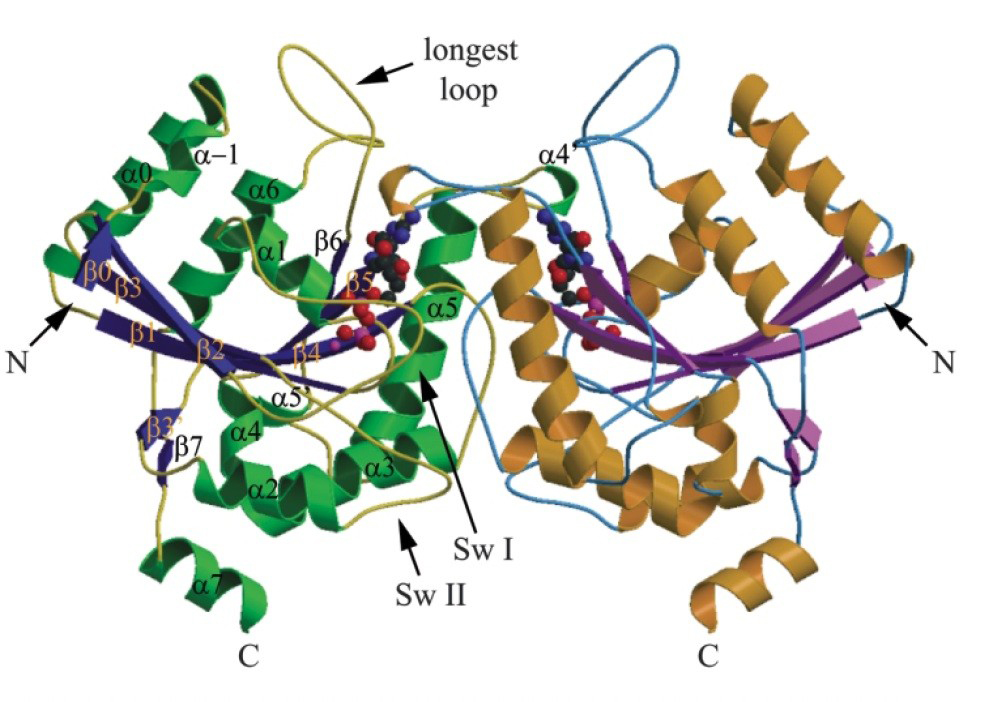
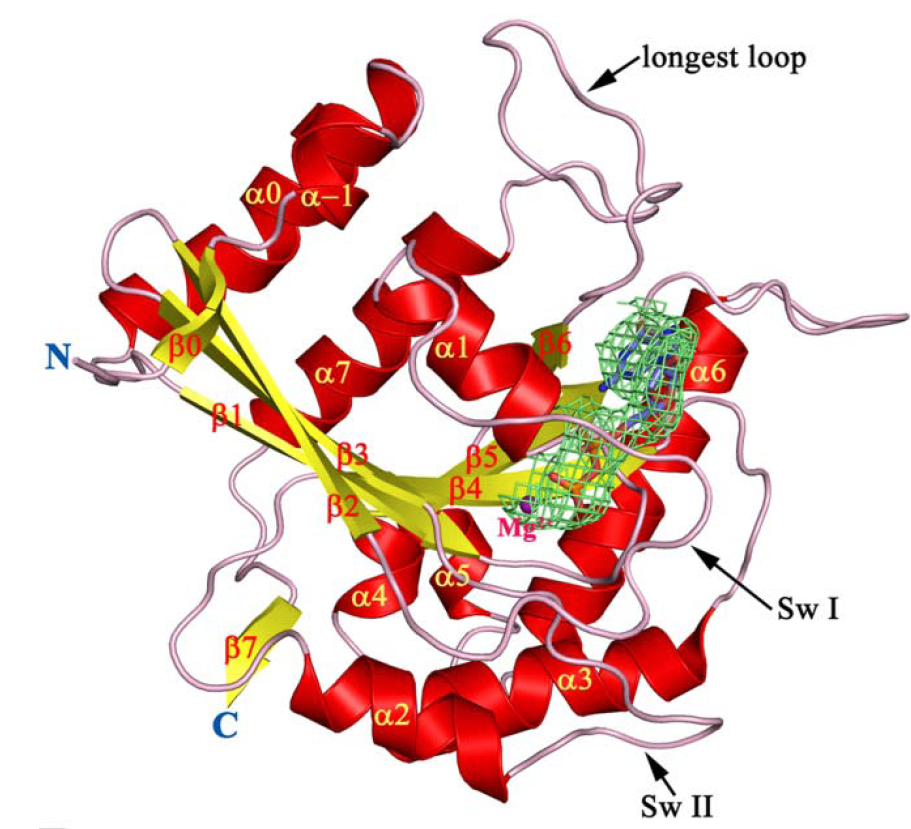
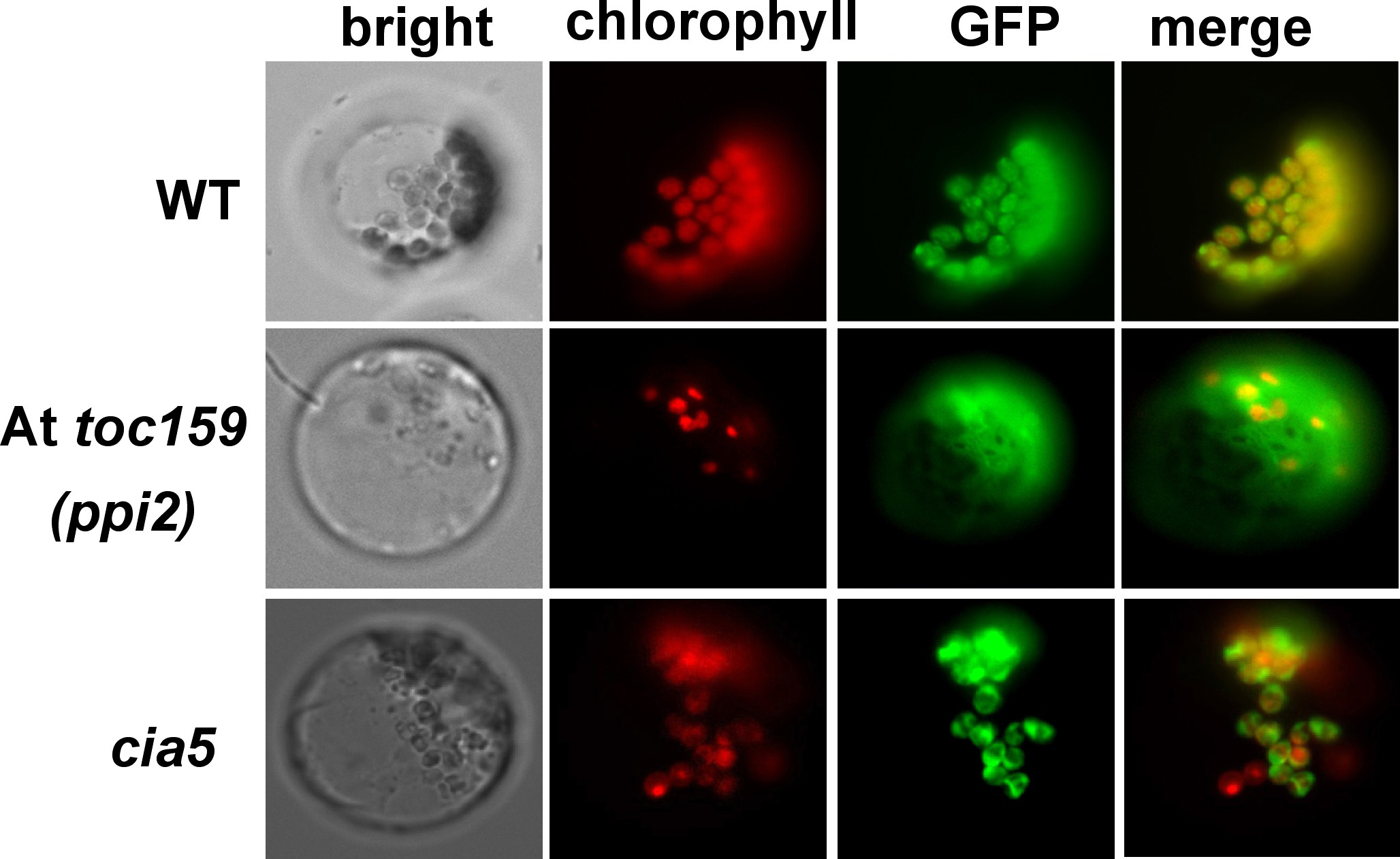
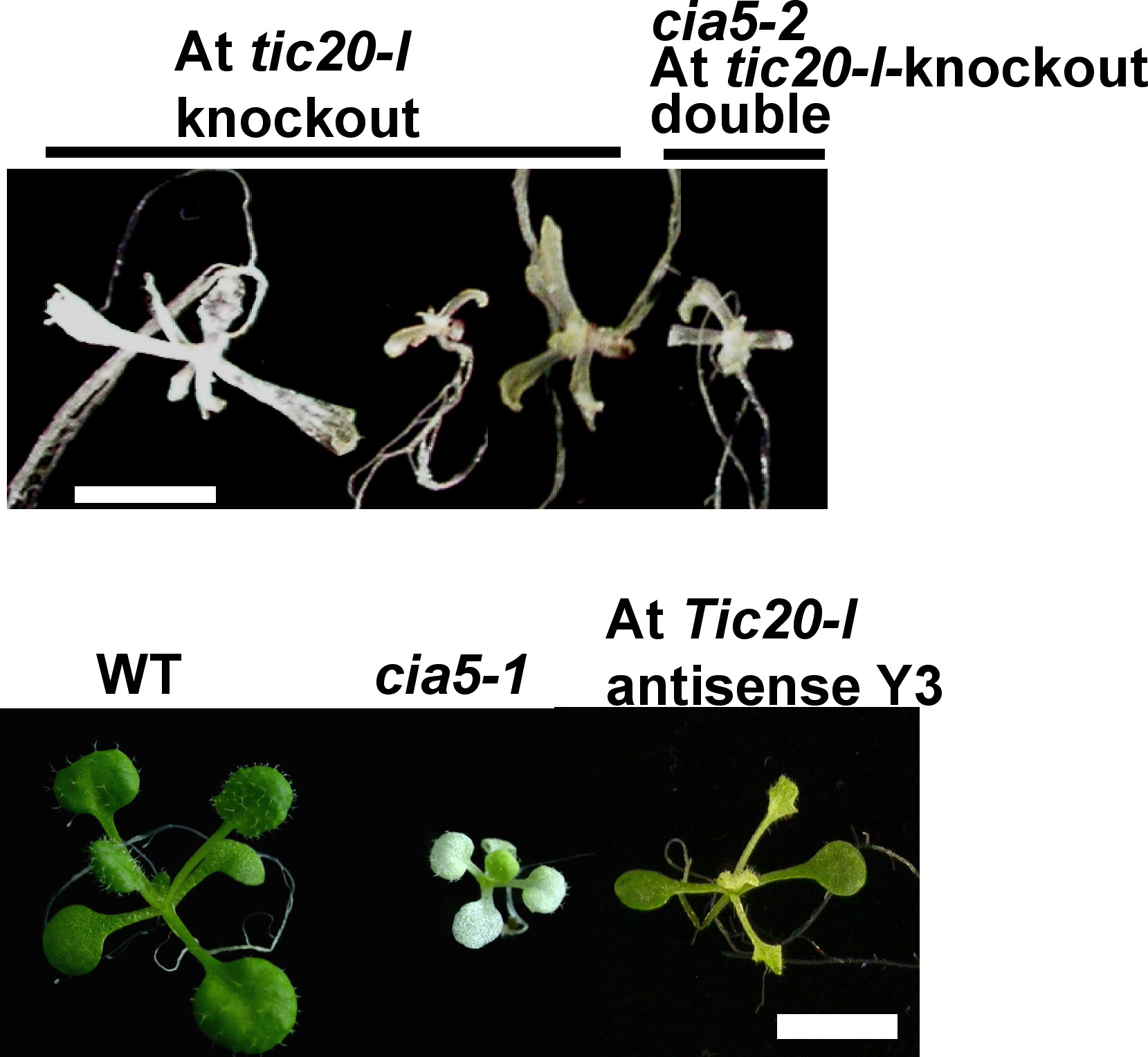
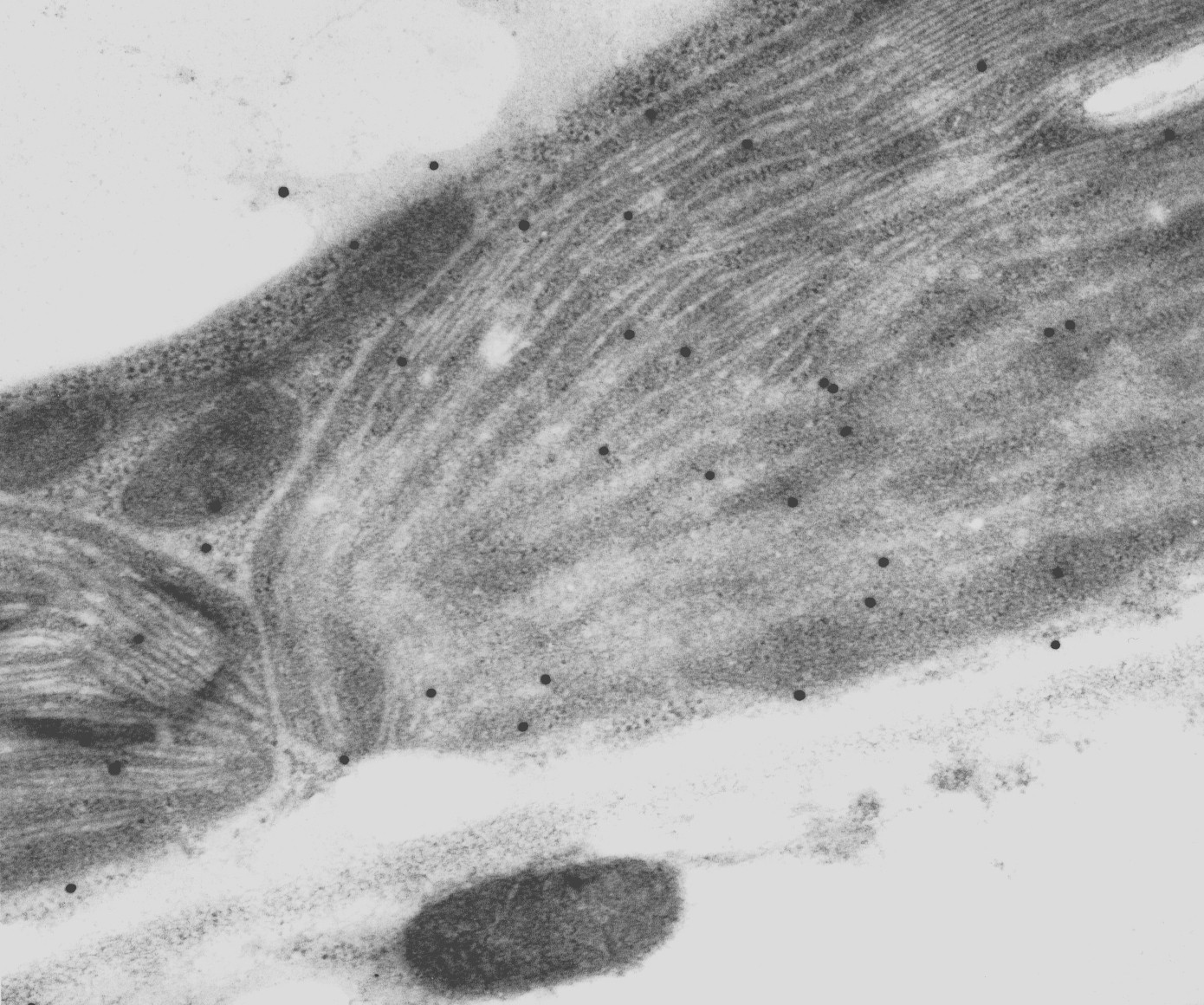
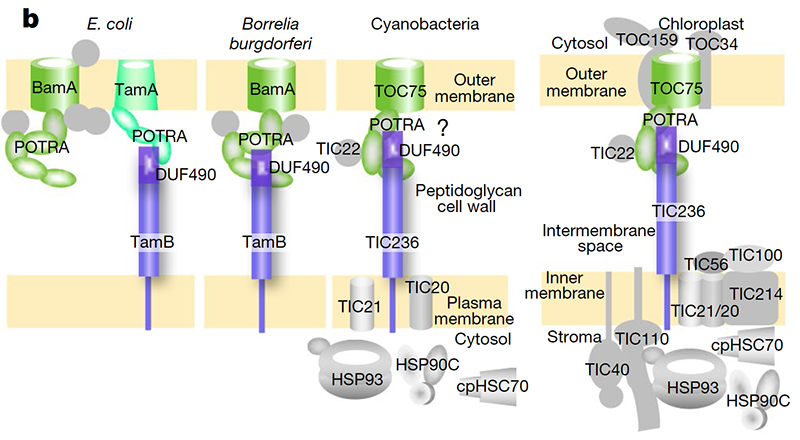
Plant plastids develop into distinct functional types depending on the tissue they reside. For example, they develop into chloroplasts in leaves for photosynthesis and into leucoplasts in roots for nutrient storage. Most proteins in plastids are encoded by the nuclear genome and post-translationally imported from the cytosol. Our lab is interested in understanding the evolution, regulation and mechanistic steps of the import process. We have identified/characterized a channel component, a co-chaperone and two motor proteins in the translocon complexes. We further found that chloroplast preproteins can be divided into three age-selective groups and have identified essential transit-peptide motifs for targeting older chloroplasts and leucoplasts. Results of our identification and characterization of the bridge protein linking the outer and inner membrane translocons suggest that the backbone of the plastid protein import machinery evolved from a bacterial protein secretion system. Through analyzing the molecular functions and atomic structures of individual translocon components, and the interactions and assembly among components, we aim to reveal the sequential steps of protein import into plastids.