Dr. Hsou-min Li §õ¨q±Ó³Õ¤h

Research Fellow, IMB

Research

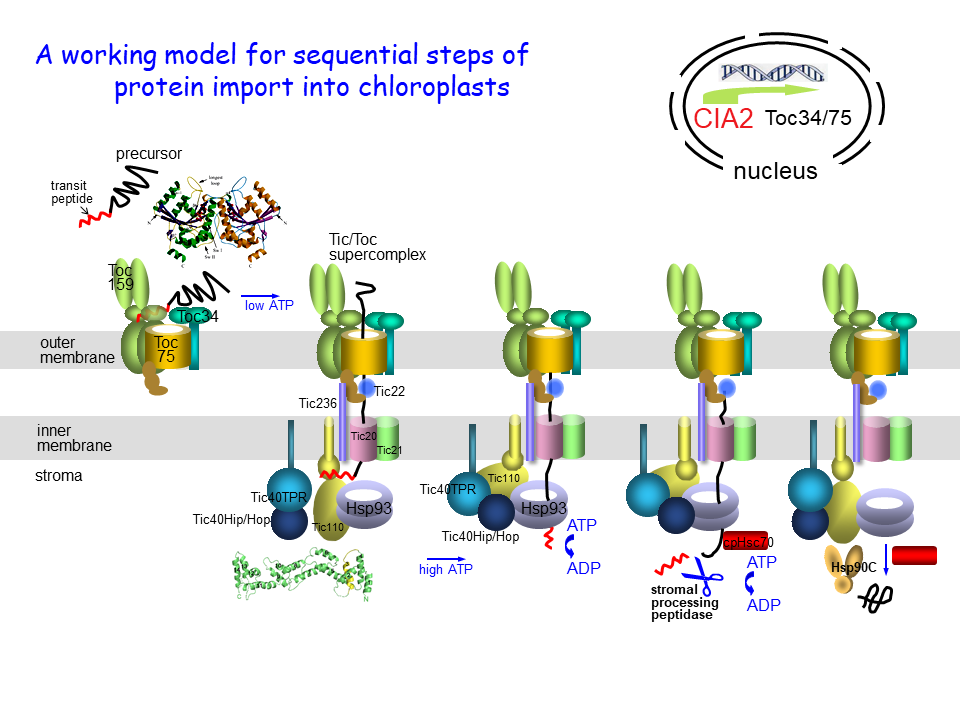
Mechanisms of Protein Import into Chloroplasts

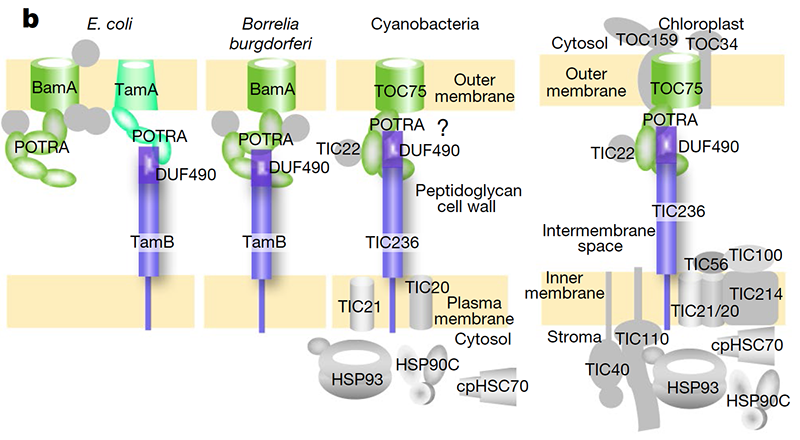
Most proteins in chloroplasts are encoded by the nuclear genome and post-translationally imported from the cytosol. Our lab is interested in understanding the mechanisms of protein import into chloroplasts. Using various genetic and biochemical approaches, we have found that the import pathways of outer-envelope-membrane proteins and interior proteins converge at the protein-conducting channel. We have identified the first transcription regulator of translocon genes, a channel component for protein translocation across the inner envelope membrane and a co-chaperone in the translocon complex that coordinates the translocation steps into the stroma. Through analyzing the molecular functions of individual translocon components and the interactions and assembly among components, a model for sequential steps of protein import into chloroplasts is being built. We have also shown that functionality of translocon complexes is under cell-type-specific regulations. We further uncovered an age-dependent import regulation mechanism and identified the first functional motif within transit peptides for targeting precursor proteins to older chloroplasts.

Research_model_2012


Pictures from some of our papers

2001 images 
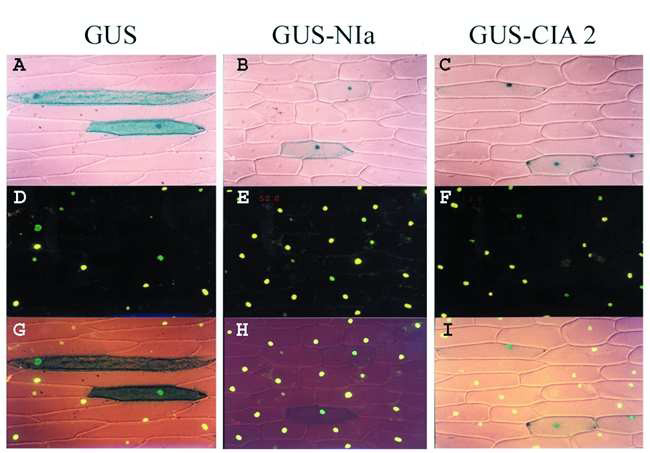
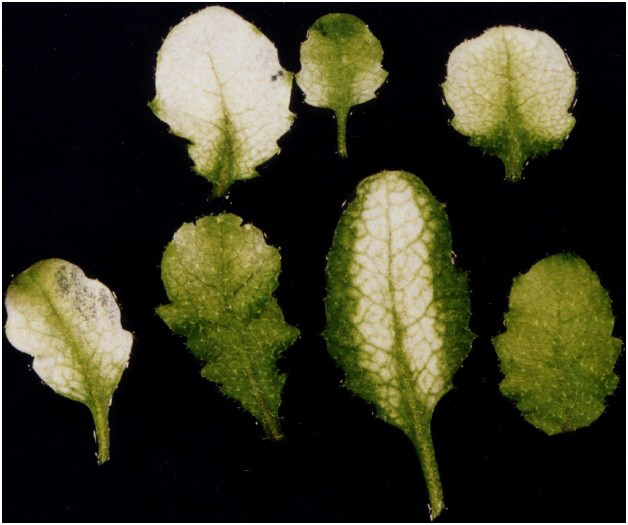
CIA2 is localized in the nucleus and responsible for the leaf-specific up-regulation of atTOC33 and atTOC75.
Sun,C.-W., Chen,L.-J., Lin,L.-C. and Li,H.-m*. (2001) Leaf-specific up-regulation of chloroplast translocon genes by a CCT-motif containing protein, CIA2. Plant Cell 13: 2053-2061.
2001 images
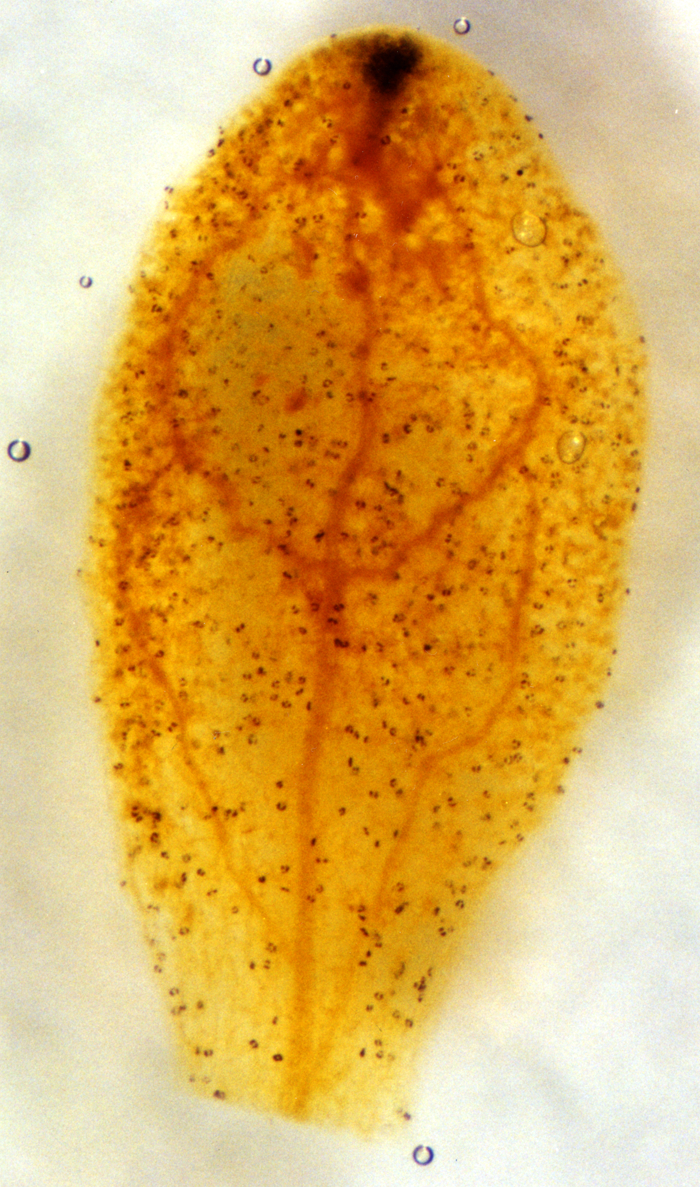
A toc159 mutant does not have functional chloroplasts in mesophyll cells but has normal photosynthesizing/starch-accumulating chloroplasts in guard cells of stomata. Note the pairs of kidney-shaped guard cells.
Yu,T.-S. and Li,H.-m*. (2001) Chloroplast protein translocon components atToc159 and atToc33 are not essential for chloroplast biogenesis in guard cells and root cells. Plant Physiol. 127: 90-96.
2002 images
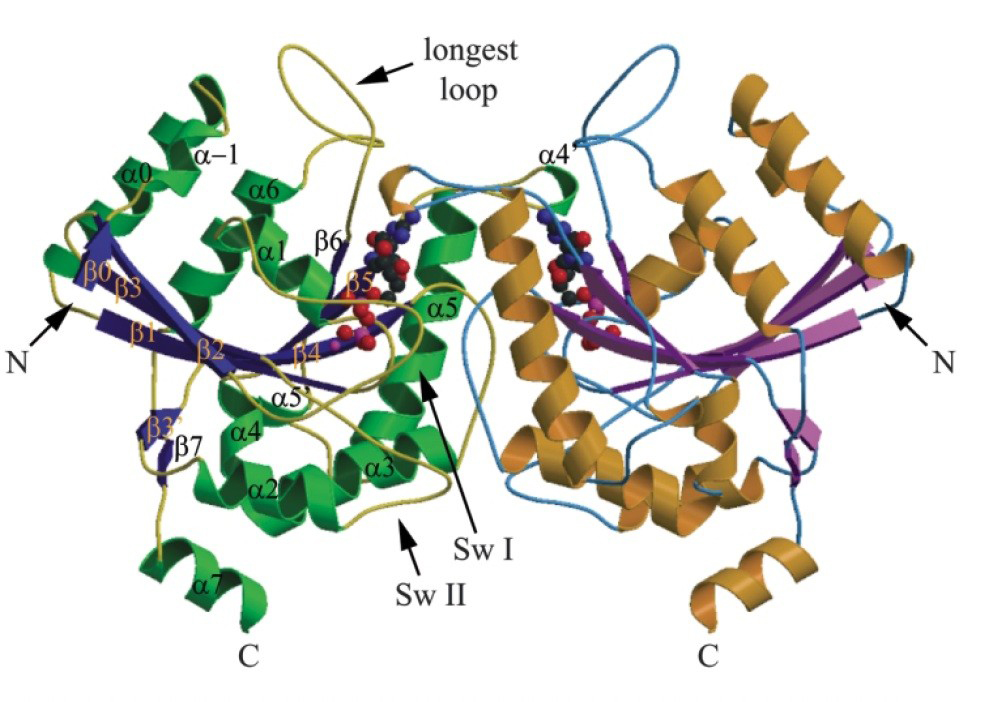
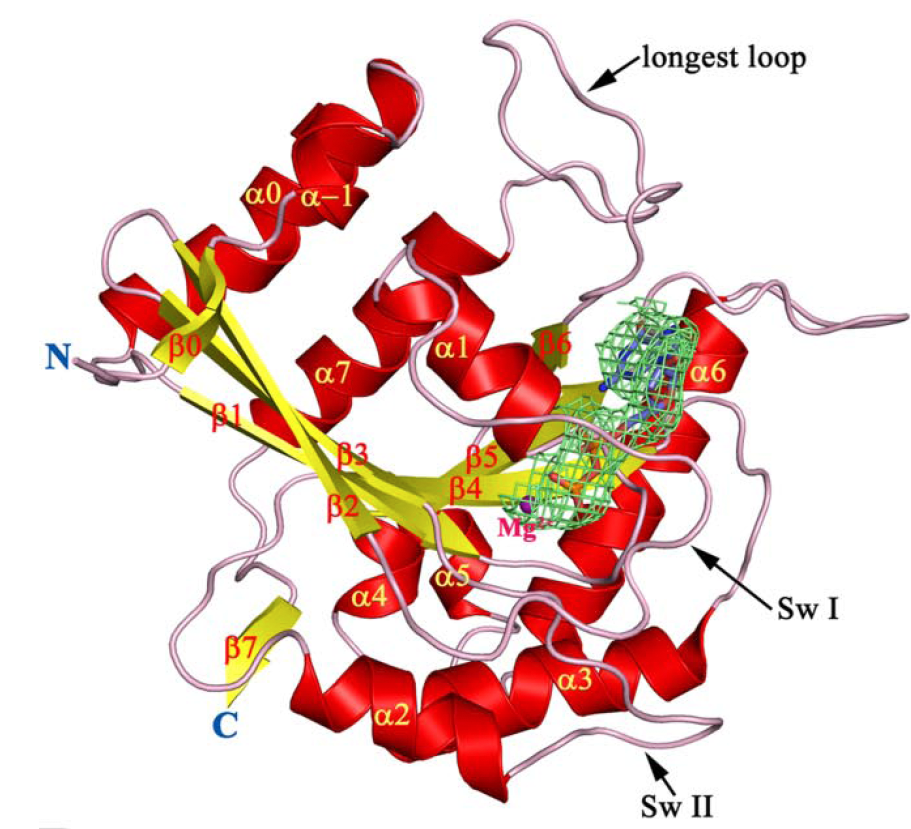
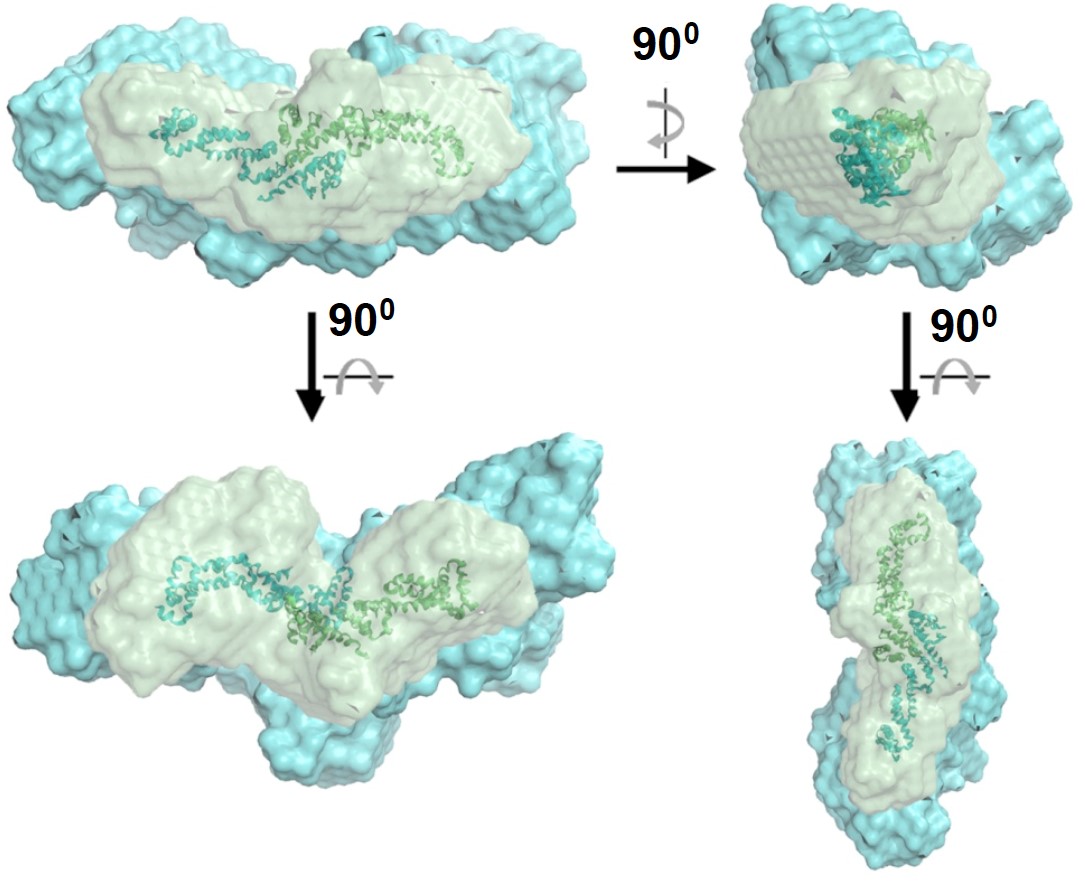
Crystal structure of pea Toc34 dimer
Sun,Y.-J., Forouhar,F., Li,H.-m., Tu,S.-L., Yeh,Y.-H., Kao,S., Shr,H.-L., Chou,C.-C., Chen, C. and Hsiao, C.D.* (2002) Crystal structure of pea Toc34 - a novel GTPase of the chloroplast protein translocon. Nature Structure Biology 9, 95-100.
2004-01
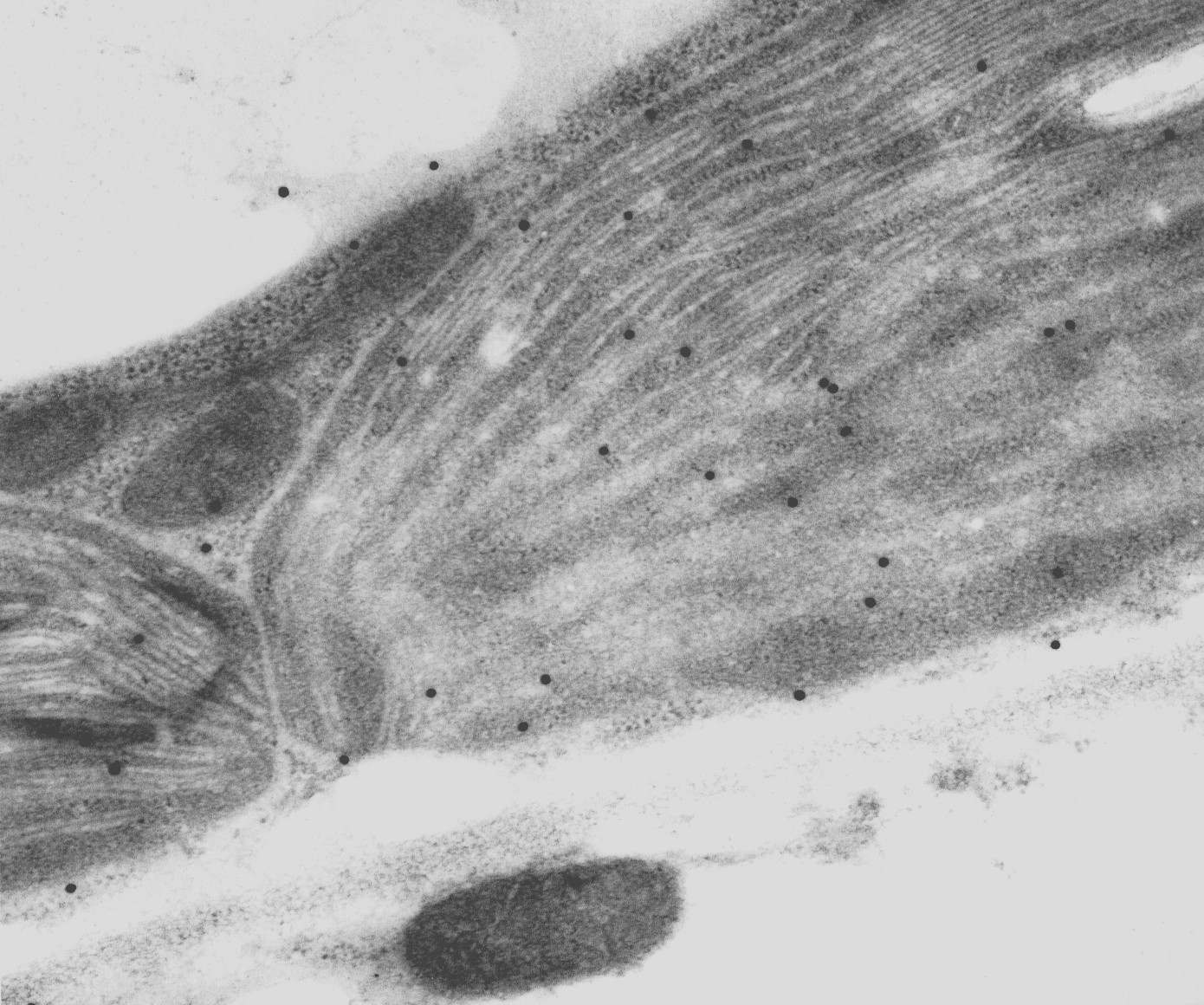
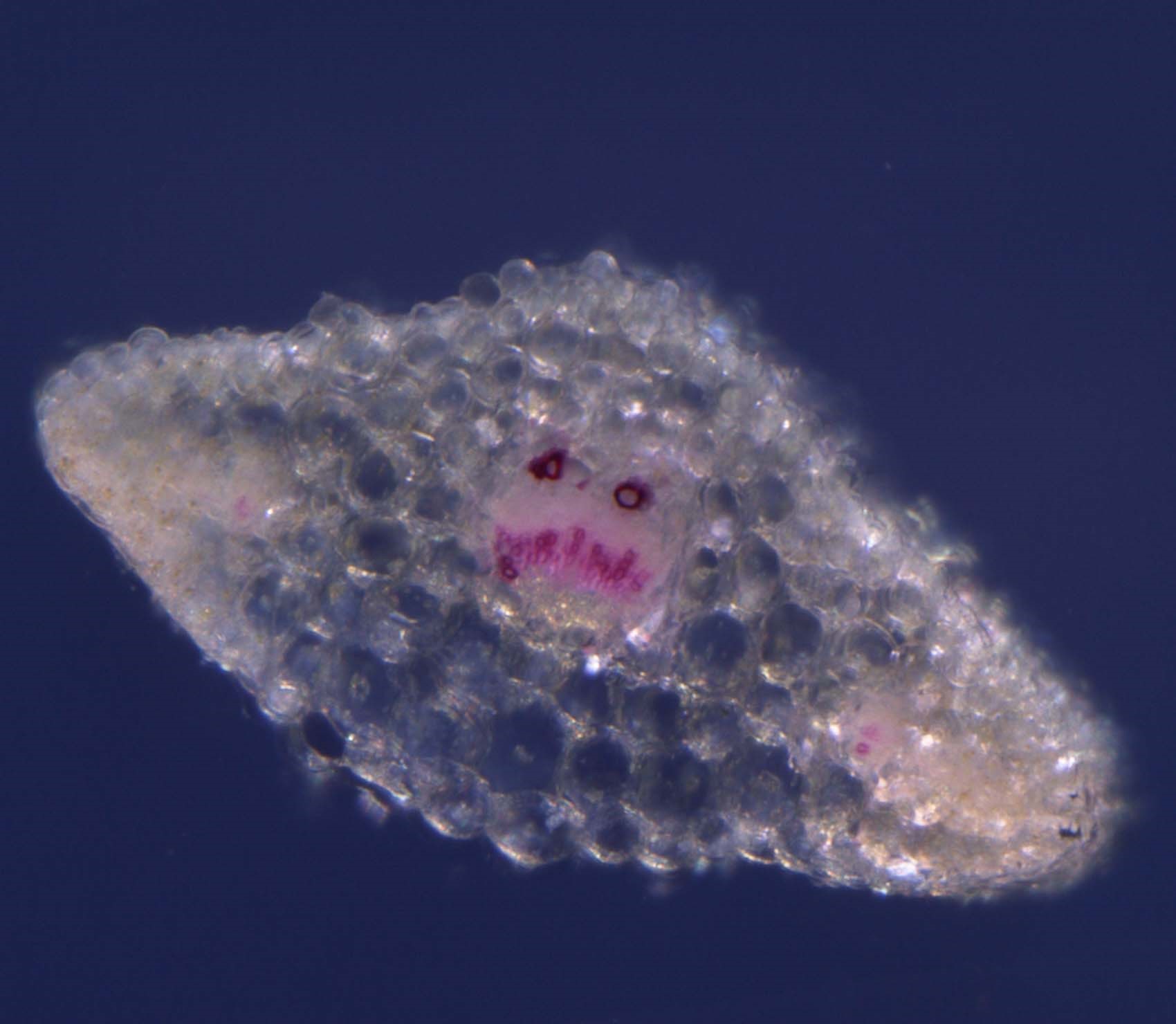
glutamine PRPP amidotranferase 1 is localized in chloroplasts
2004-02
Leaves of glutamine PRPP amidotranferase 2 mutants
Hung,W.-F., Chen,L.-J., Boldt,R., Sun,C.-w., and Li,H.-m.* (2004) Characterization of Arabidopsis glutamine PRPP amidotranferase-deficient mutants. Plant Physiol. 135, 1314-1323.
2006-01
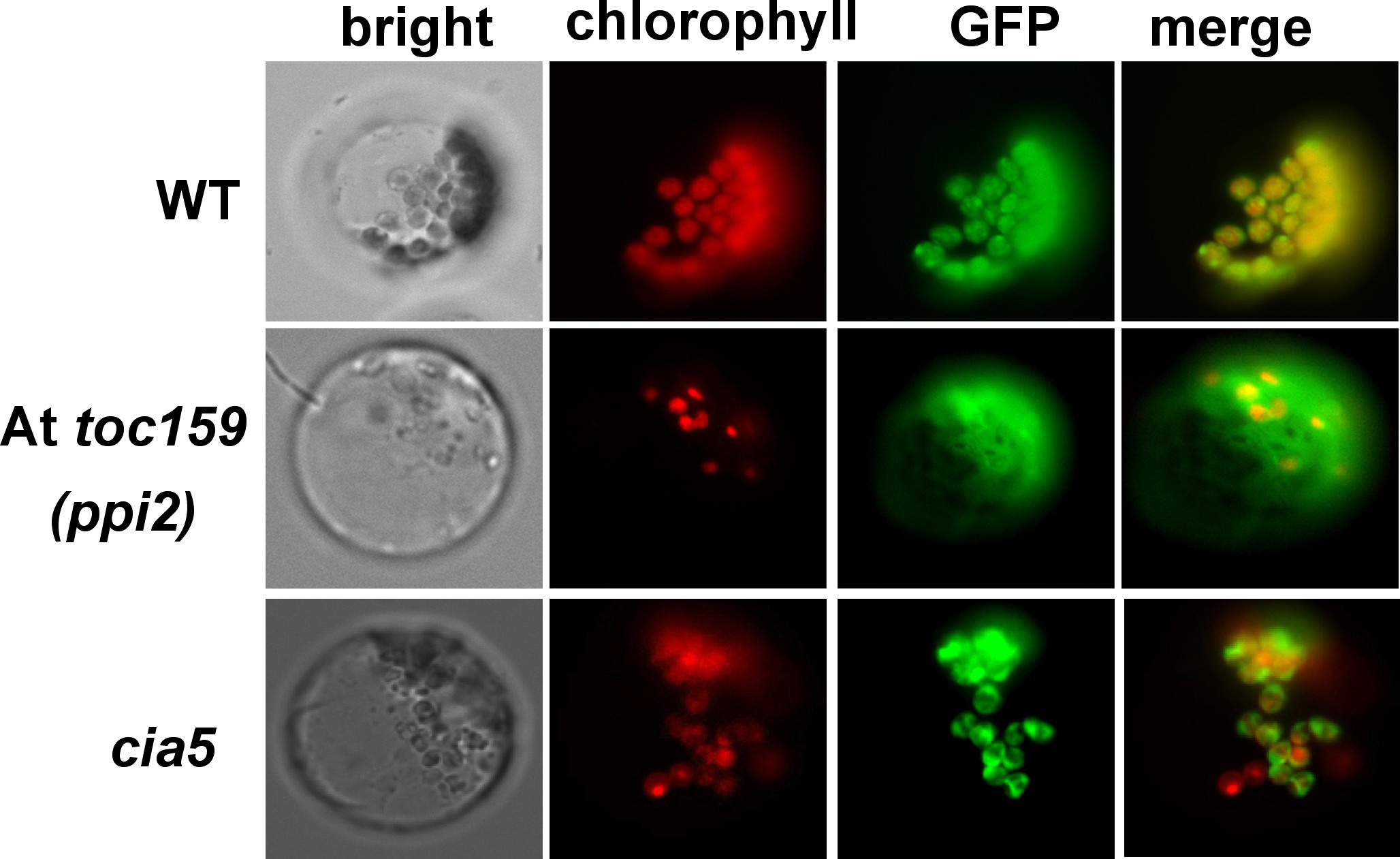
The cia5(tic21) mutant chloroplasts are specifically defective in protein translocation across the chloroplast envelope.
2006-02
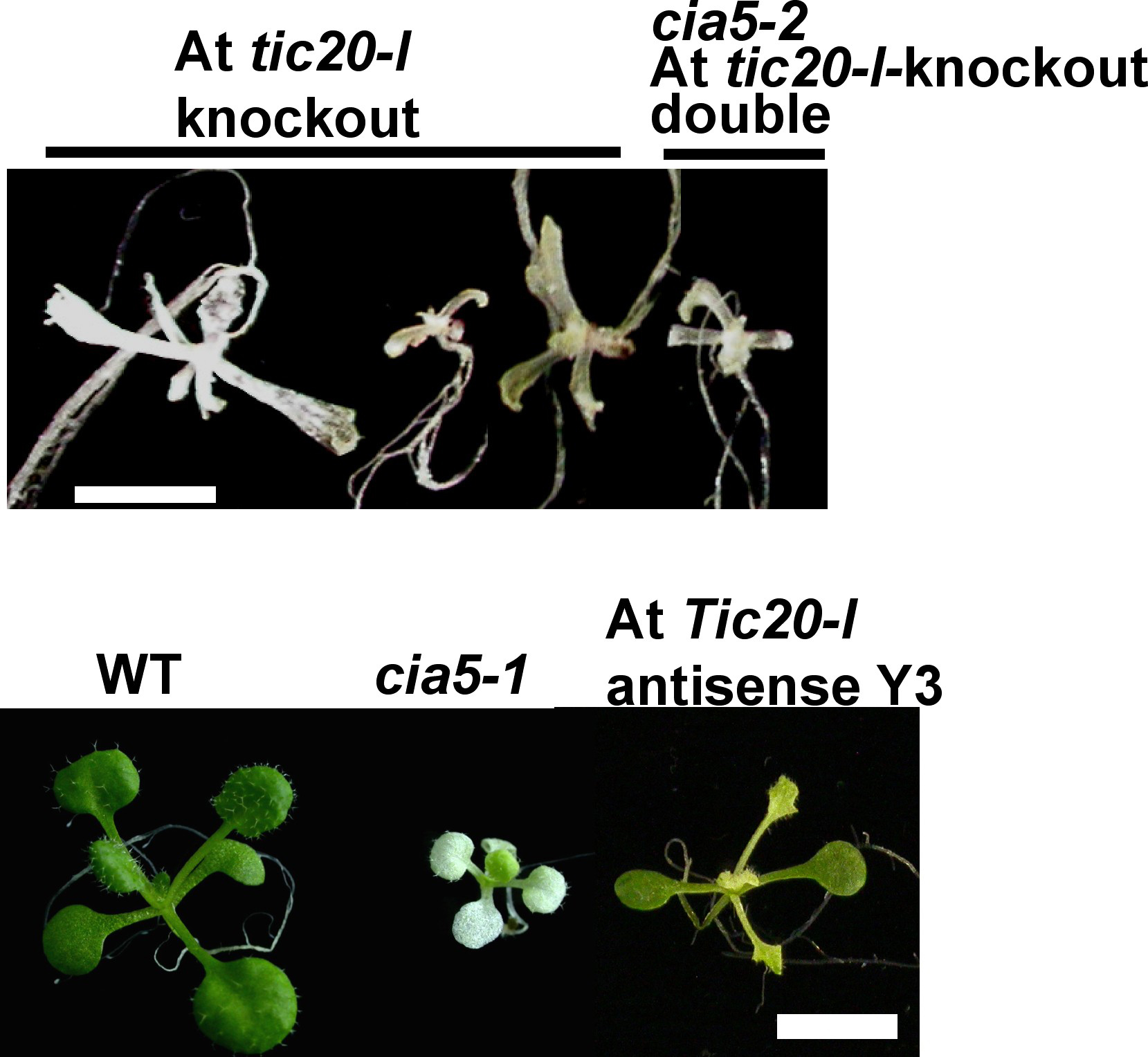
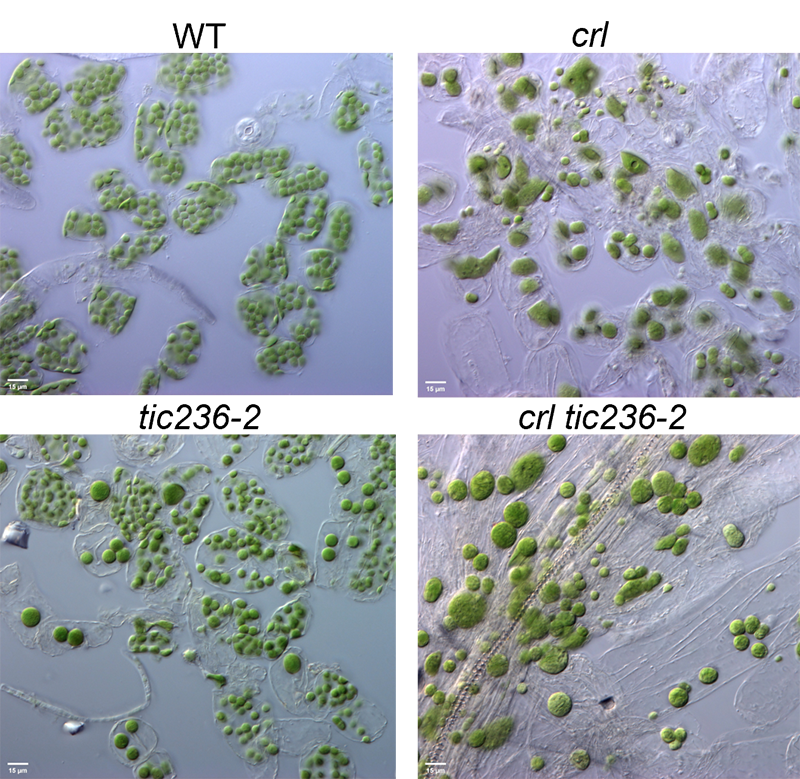
Mutants of the two inner membrane channel components Tic20 and CIA5 (Tic21) and their double mutant.
Teng, Y.-S., Su, Y.-s., Chen, L.-J., Lee, Y.-J., Hwang, I. and Li, H.-m.* (2006) Tic21 is an essential translocon component for protein translocation across the chloroplast inner envelope membrane. Plant Cell 18, 2247-2257.
2007-01
Crystal structure of atToc33R130A, a mutant that can only form monomers.
Yeh, Y.-H., Kesavulu, M. M., Li, H.-m., Wu, S.-Z., Sun, Y.-J., Konozy, E. H. E. and Hsiao, C.-D.* (2007) Dimerization is important for the GTPase activity of chloroplast translocon components atToc33 and psToc159. J. Biol. Chem. 282: 13845-13853
2009-1
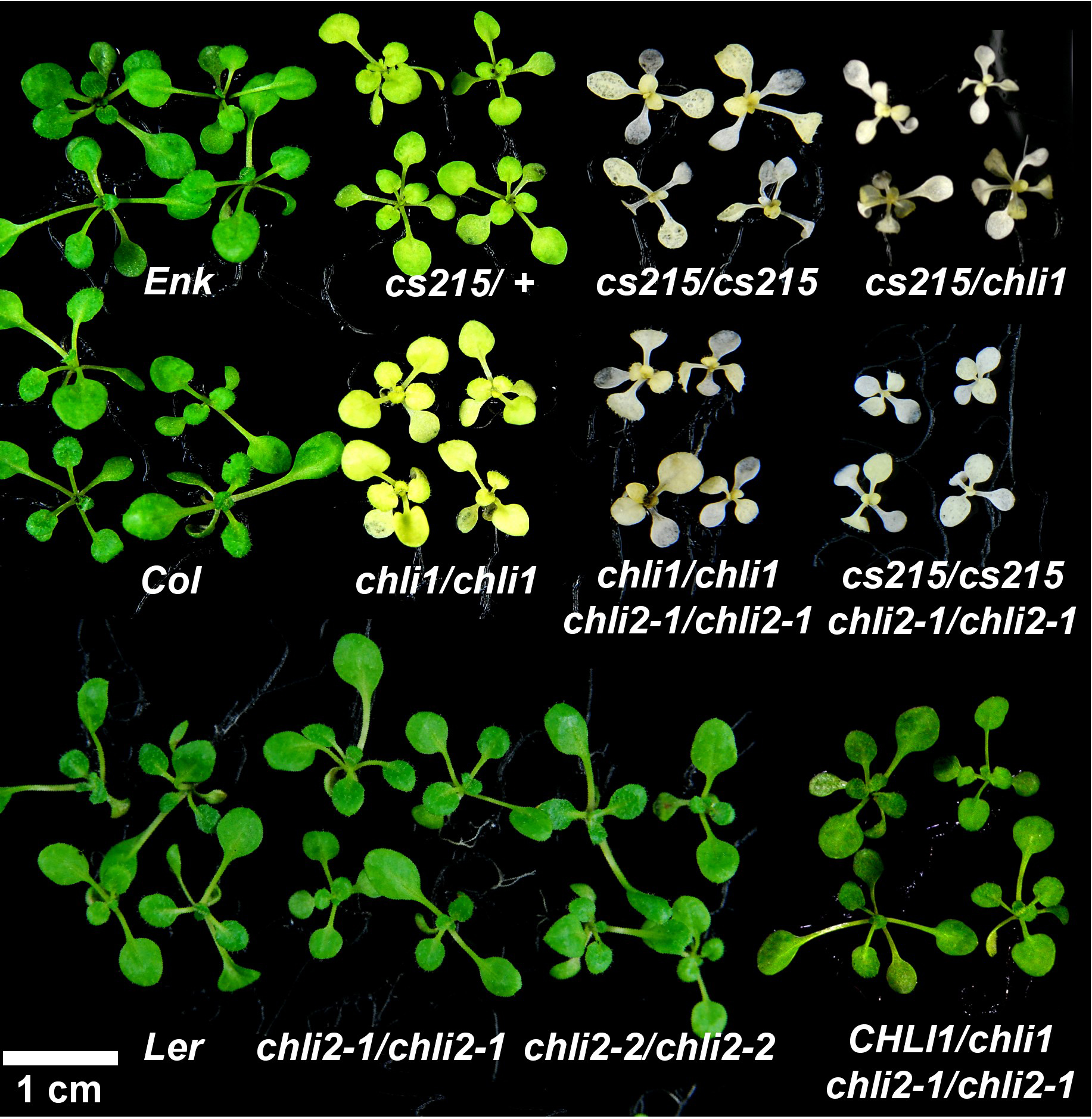
cs215 is a dominant negative mutation in the CHLI1 gene.
Huang, Y.-S. and Li, H.-m.* (2009) Arabidopsis CHLI2 can substitute for CHLI1. Plant Physiol. 150:636-645.
2010-1
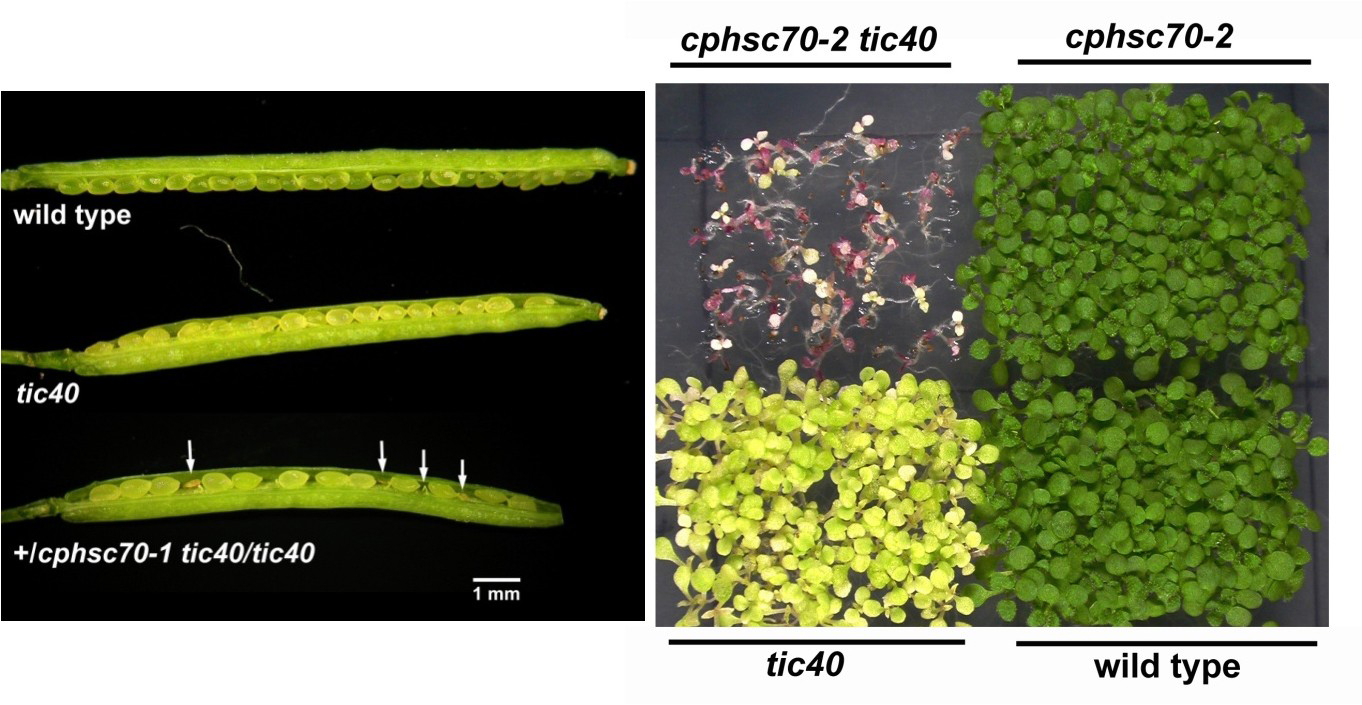
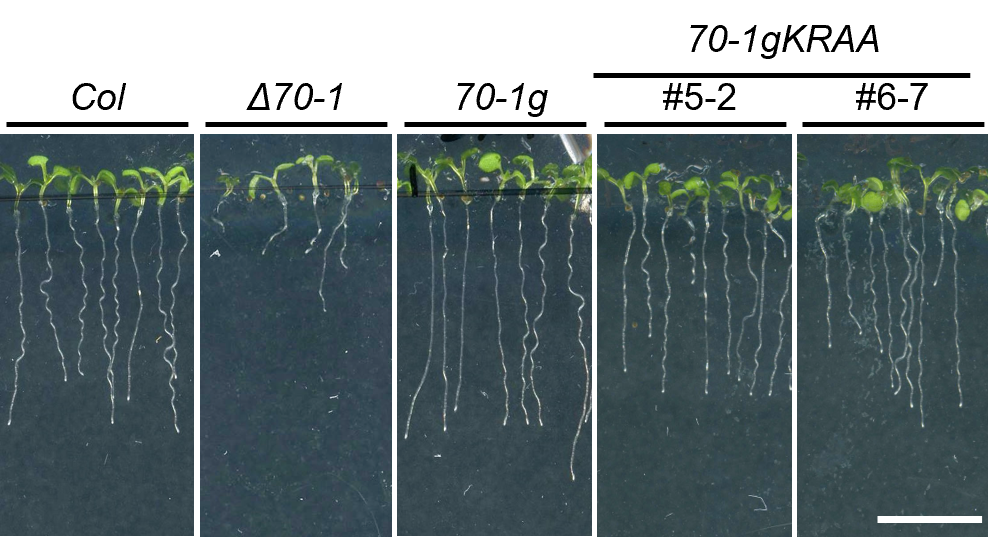
cpHsc70s and Tic40 have a common vital function.
Su, P.-H. and Li, H.-m.* (2010) Stromal Hsp70 is important for protein translocation into pea and Arabidopsis chloroplasts. Plant Cell 22:1516-1531.
2012-01
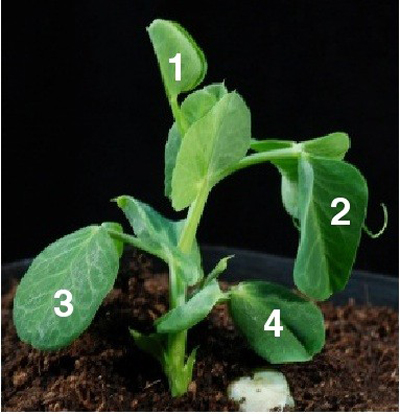
Chloroplasts in leaves of different ages prefer to import different proteins
Teng, Y.-S., Chan, P.-T. and Li, H.-m.* (2012) Differential age-dependent import regulation by signal peptides. PLoS Biology 10:e1001416.