Contact
- sumay@imb.sinica.edu.tw
- (O) 886-2-2788-2695
(L) 886-2-2789-9209 - N321, Institute of Molecular Biology, Academia Sinica
Research
Molecular Mechanisms of Sugar and Oxygen Deficiency Signaling and Root Development Related to Stress Tolerance in Plants
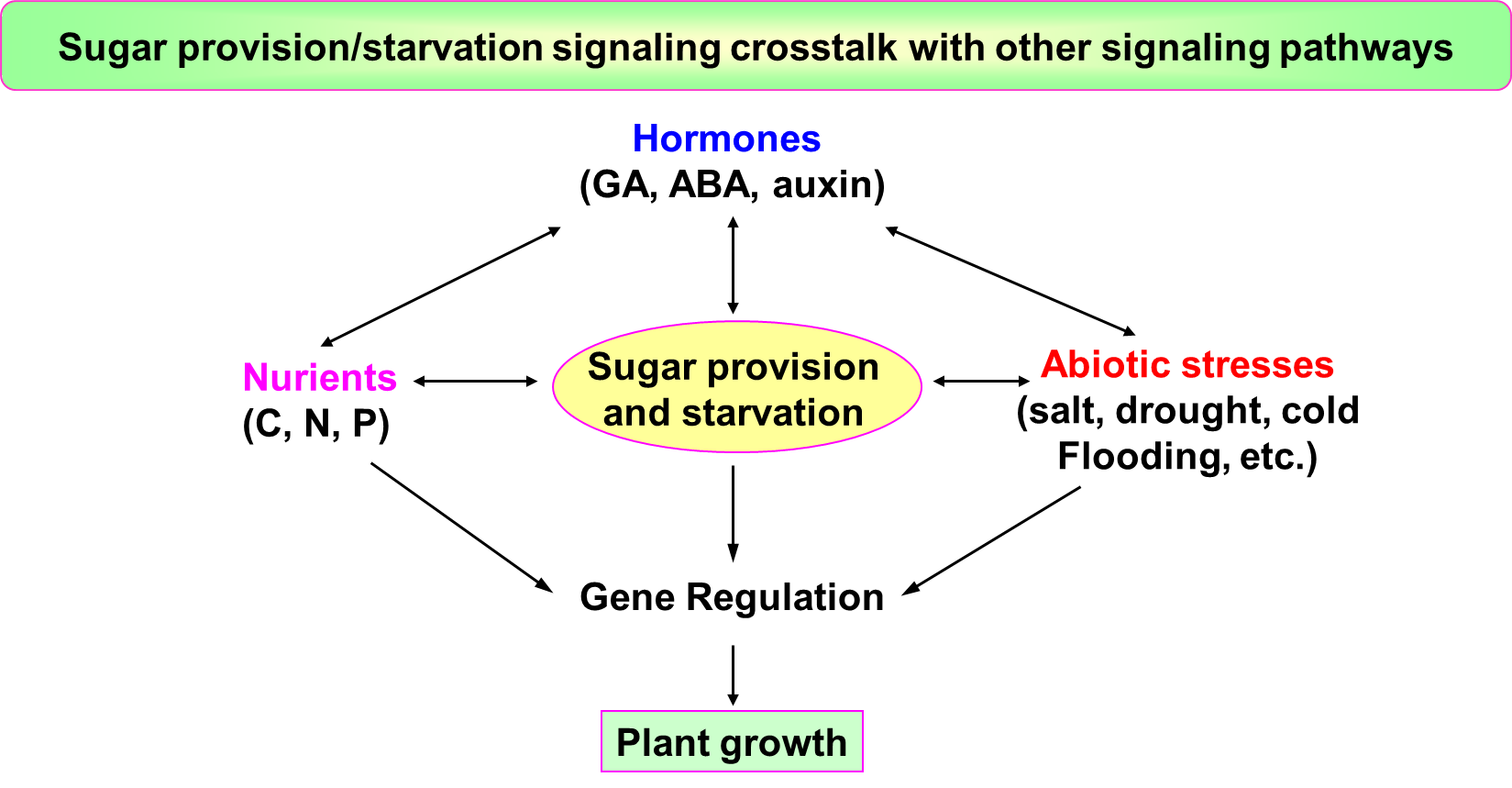
In plants, sugar and O2 demand and root development signals cross-talk with hormones and environmental stresses, which together regulate plant growth, stress tolerance and final productivity. The details of these regulatory mechanisms are mostly unclear. Current global climate change is shifting weather to more extreme events, aggravating global crop productivity that has already plateaued. Rice is the major dietary staple for nearly half of humanity. Thus, development of new strategies for breeding rice tolerant to multiple stresses while maintaining high productivity remains an important research subject. Using rice as a research model, our studies focus on the following subjects:
I. The on/off switch of reversible gene expression by sugar starvation and provision
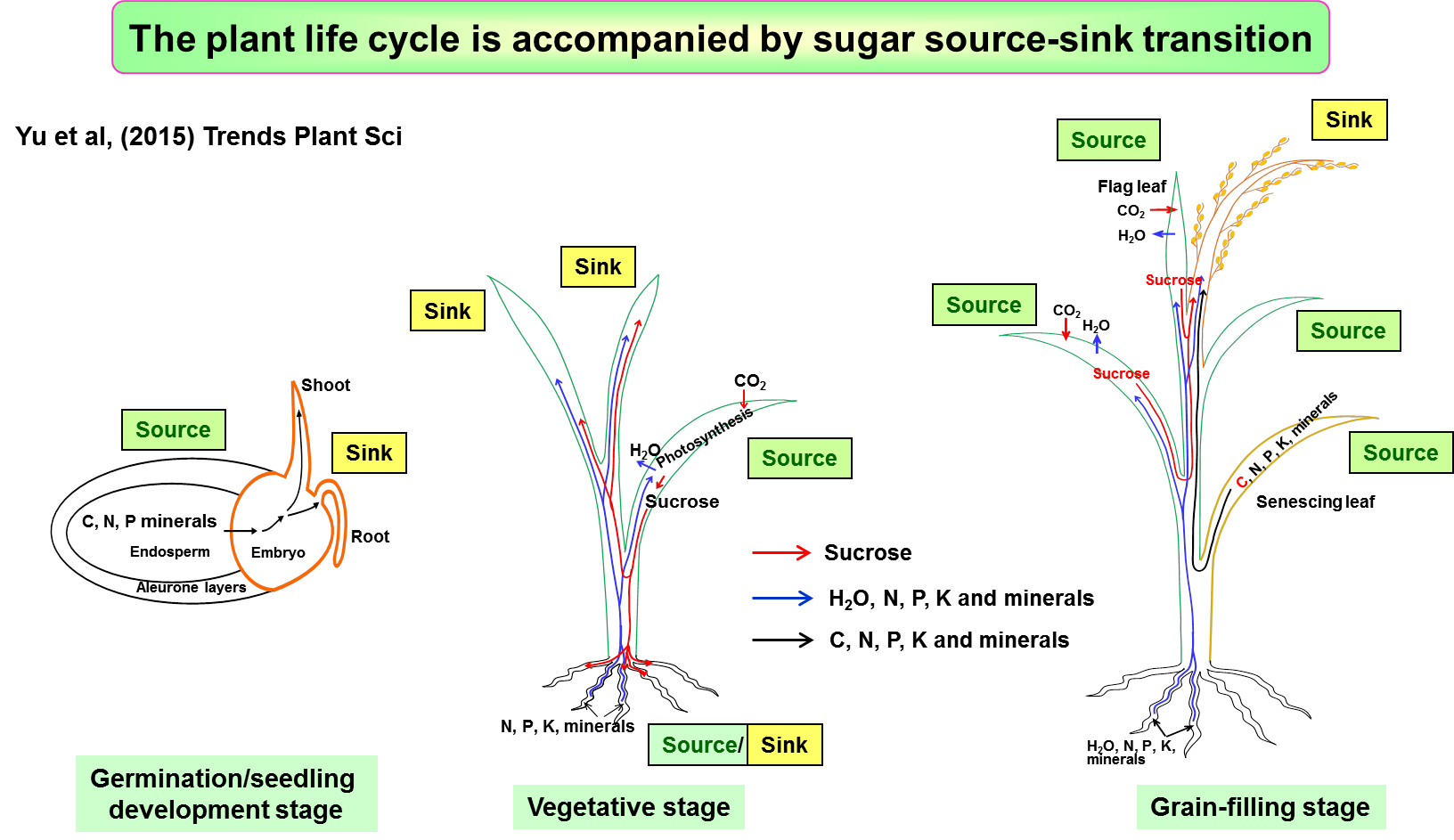
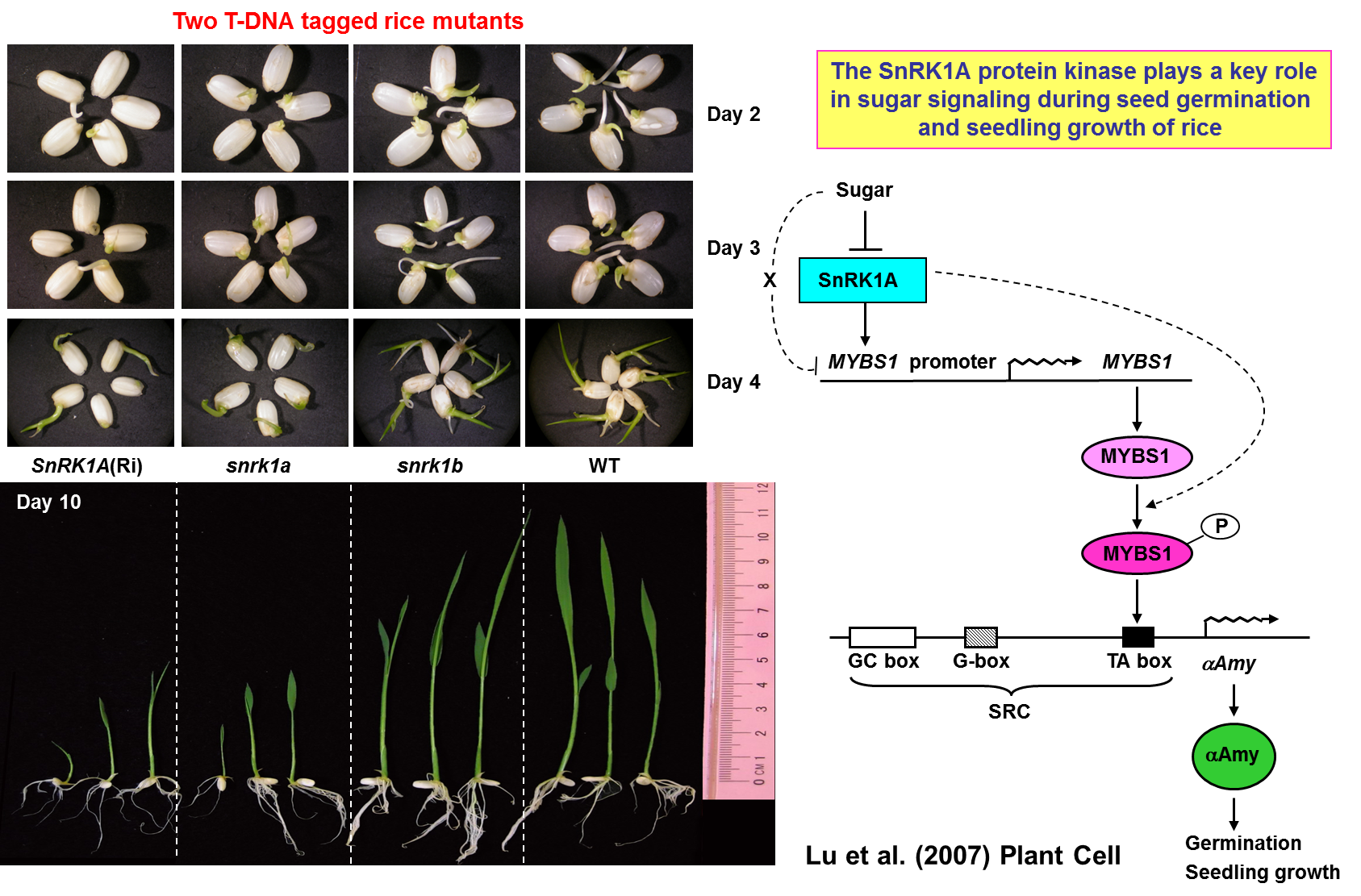
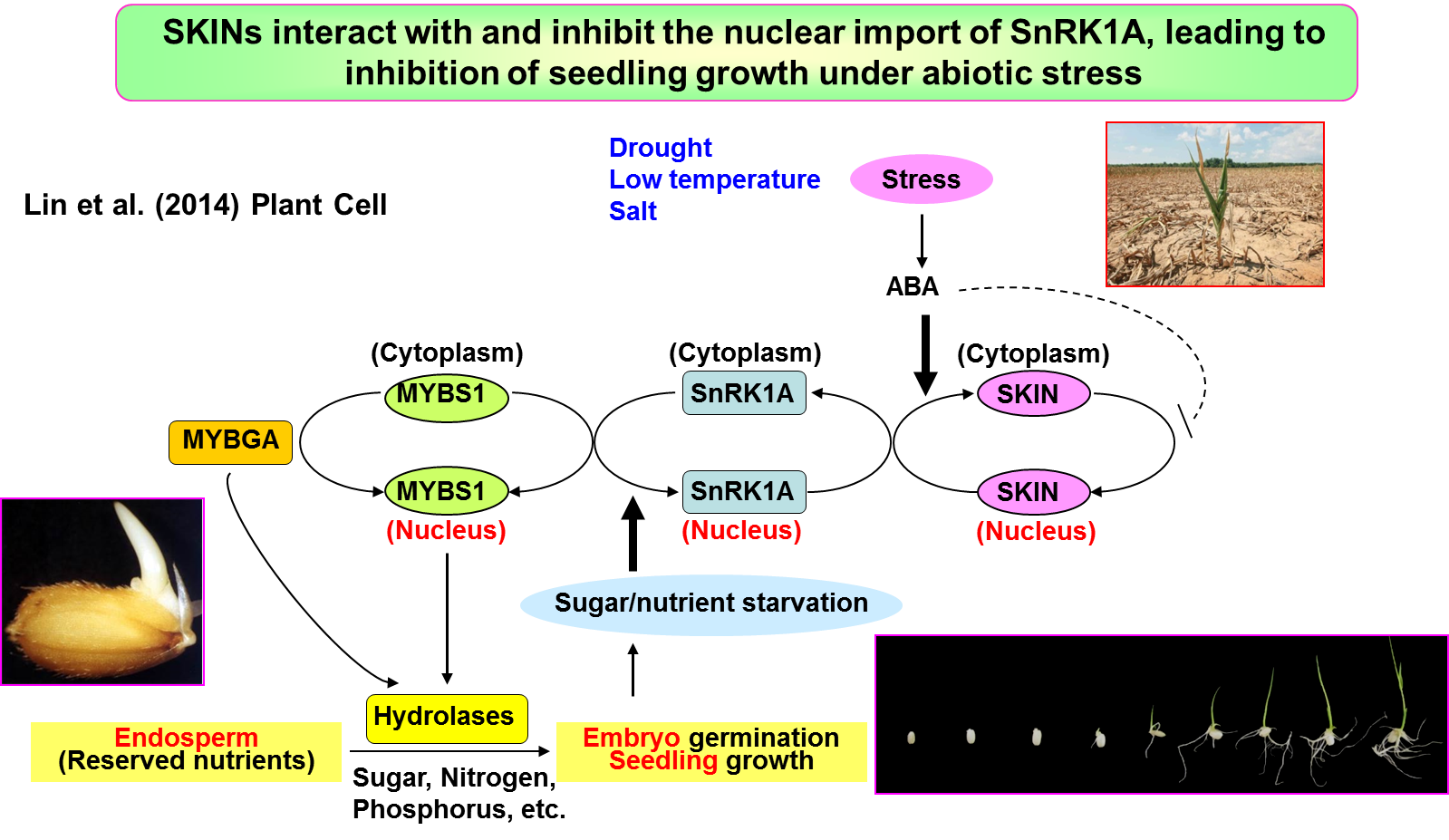
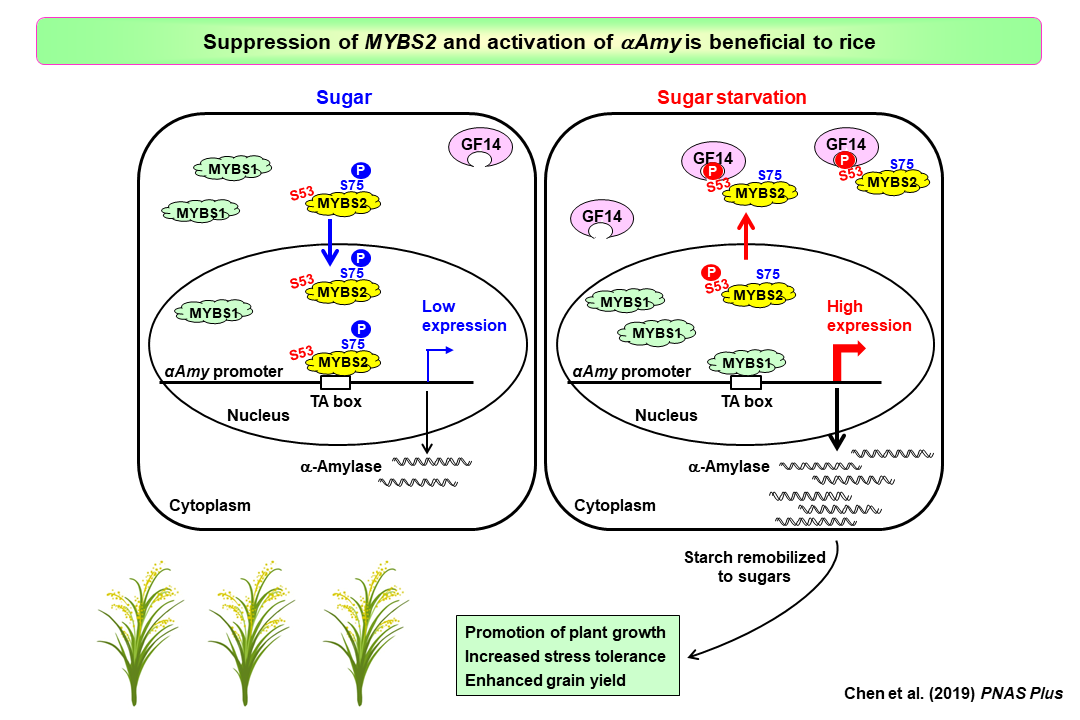
Being autotrophic organisms, plants constantly monitor and respond to sugar status to maintain the sugar homeostasis that is crucial for growth regulation, tolerance to environmental stresses and productivity. Plants have evolved mechanisms to balance physiological responses to cope with fluctuating sugar levels. Sugar homeostasis, equilibrated by sugar production in source tissues and their utilization or storage in sink tissues, is tightly coordinated through an integrated signaling network that involves crosstalk among sugars, hormones and environmental cues that together regulate developmental and stress-adaptive processes. Recently, we identified positive regulators (e.g., SnRK1 and MYBS1) and negative regulators (e.g., SKIN and MYBS2) that control plant growth, abiotic stress tolerance, and grain yield. We are studying the mechanisms and mode of action of these regulatory factors.
II. Nutrient starvation and hormone cross-signaling during germination and seedling growth
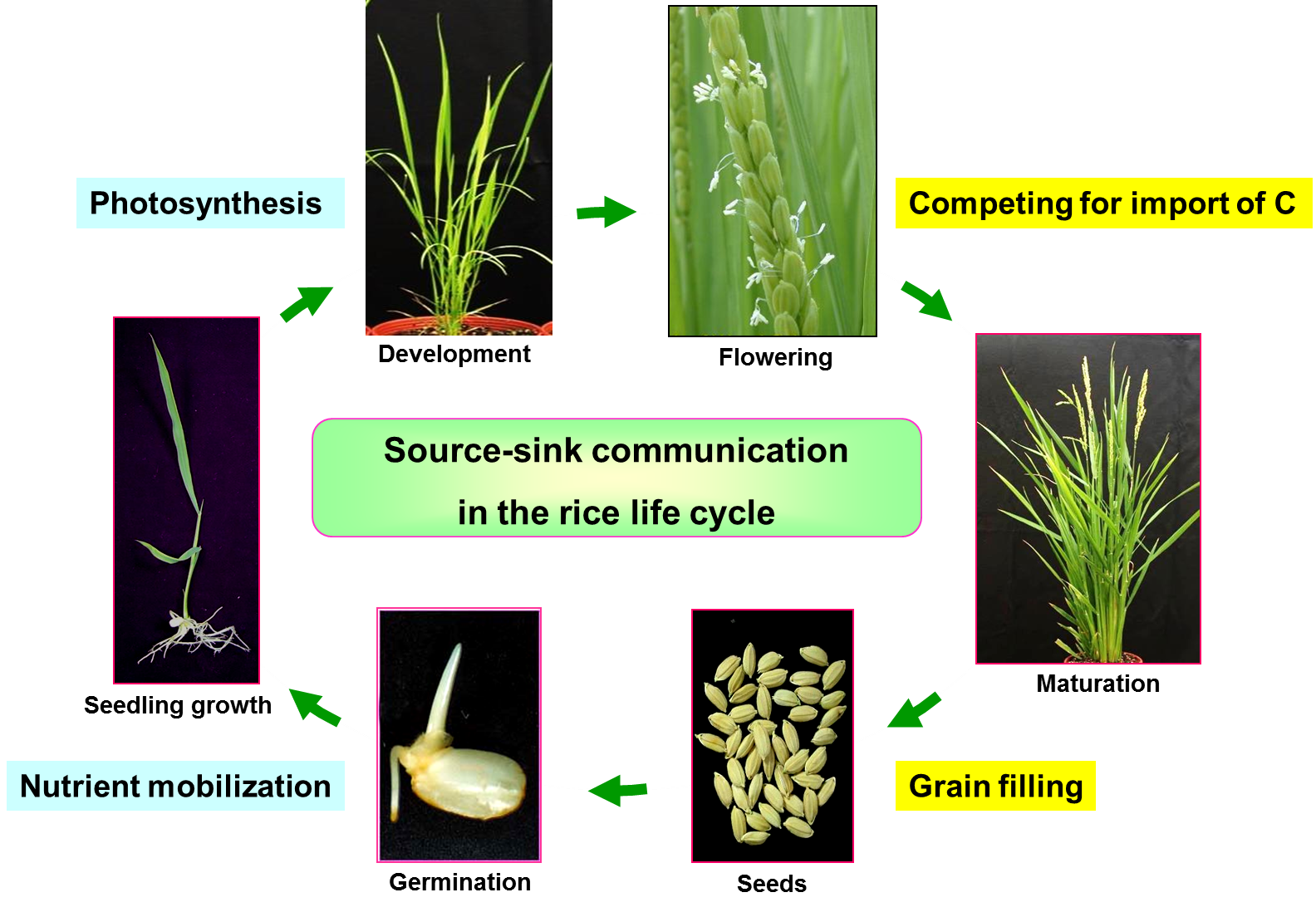
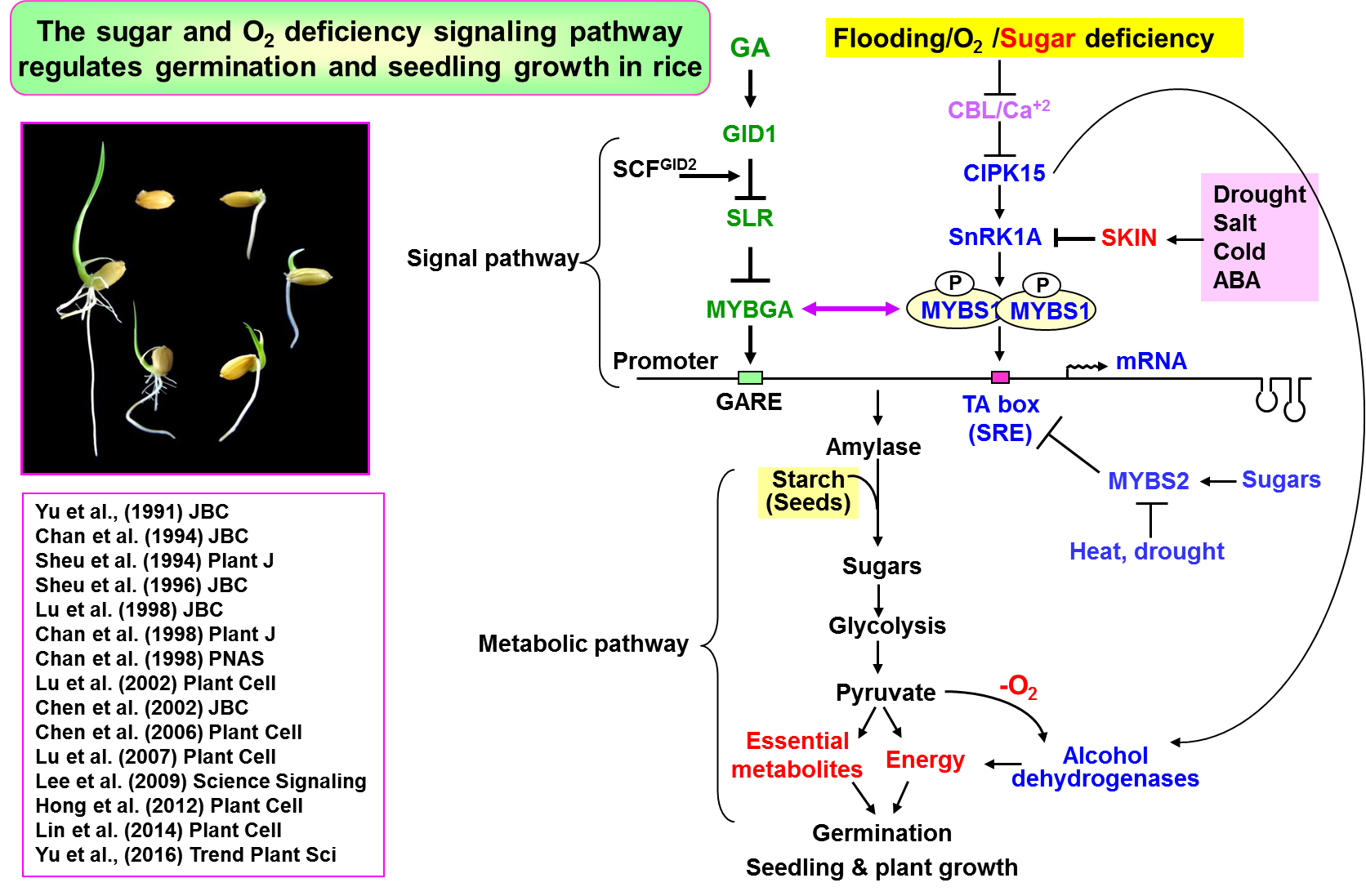
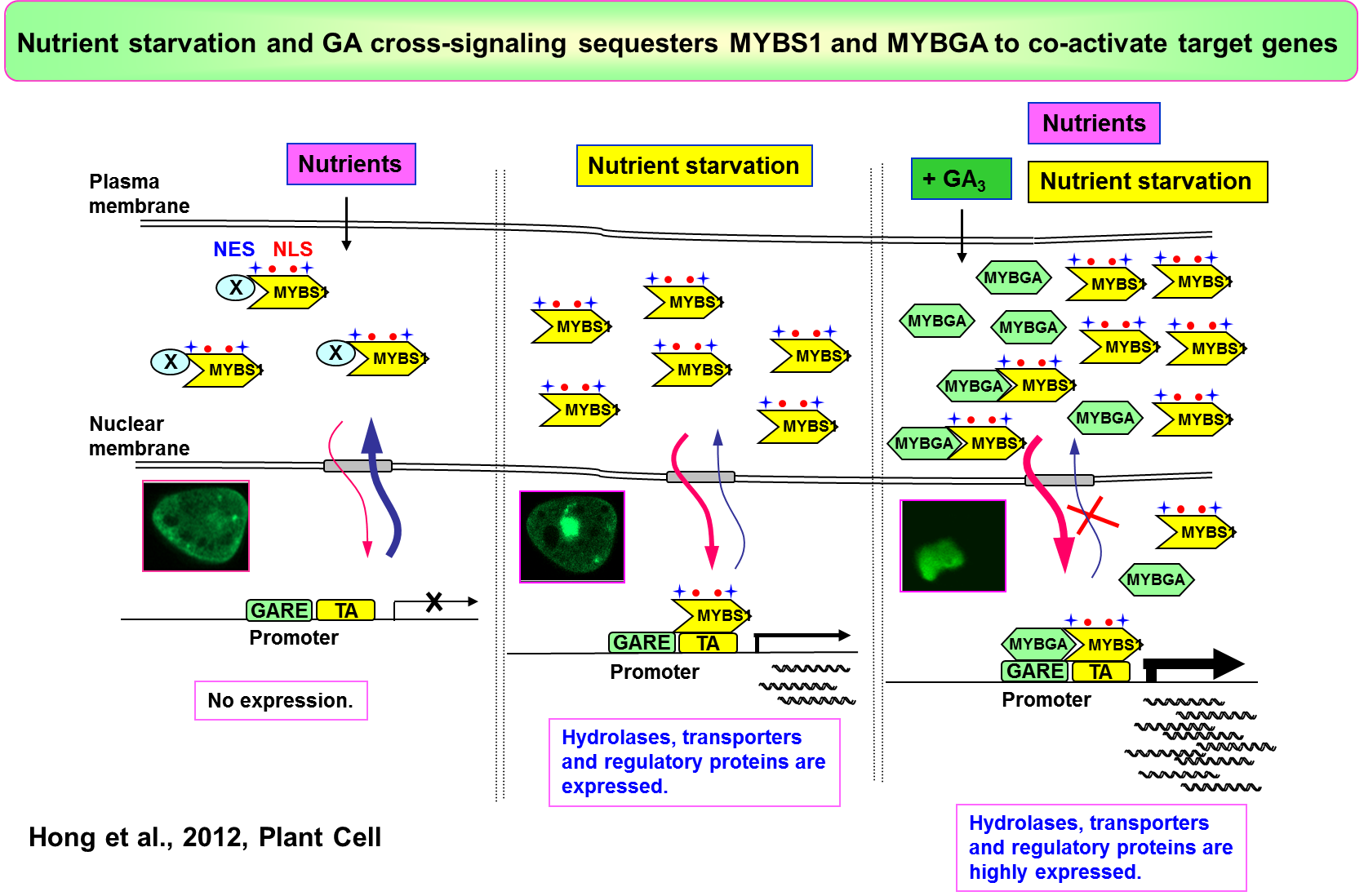
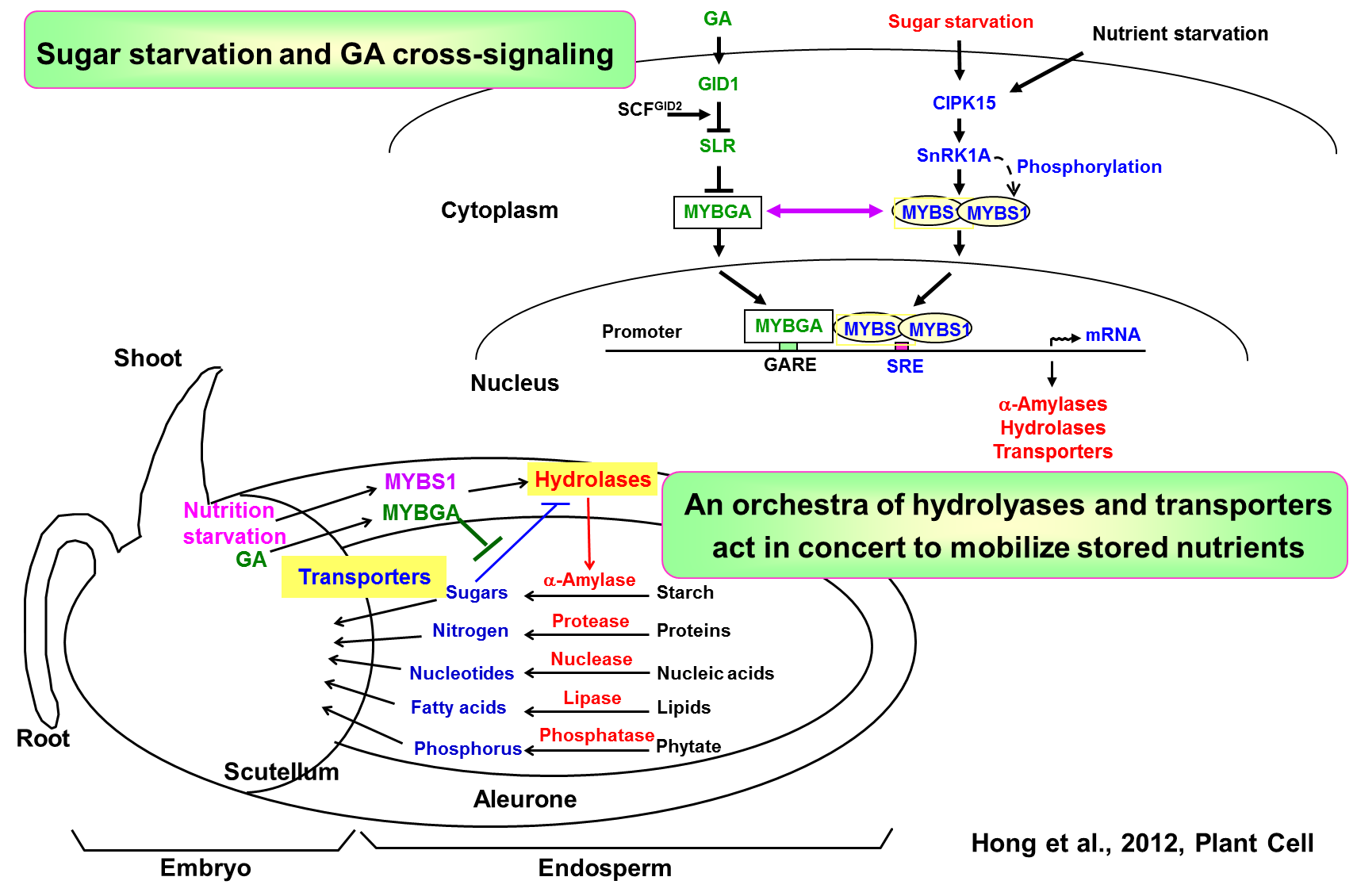
Germination followed by seedling growth constitutes two essential steps in the initiation of a new lifecycle in plants. Completion of these steps requires coordination of developmental and biochemical processes, including mobilization of seed reserves and elongation of the embryonic axis. Active mobilization of stored nutrients upon germination contributes to seedling vigor and has a profound impact on plant growth and eventual productivity. We discovered that cooperation between two transcription factors, the sugar starvation-induced MYBS1 and hormone GA-induced MYBGA, activates a common mechanism in response to sugar (carbon), nitrogen or phosphorous starvation to regulate the expression of an assembly of hydrolases for coordinated mobilization of diverse nutrients stored in rice seeds. We are studying the molecular mechanisms regulating the unique interaction between MYBS1 and MYBGA, as well as their phosphorylation-dependent nucleocytoplasmic shuttling and interactions with other proteins.
III. Signaling pathway regulating flooding tolerance
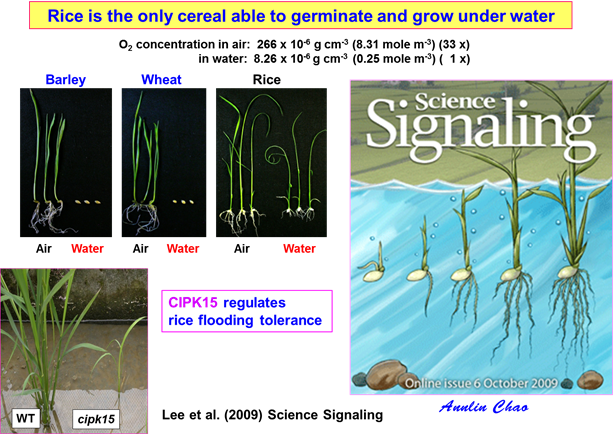
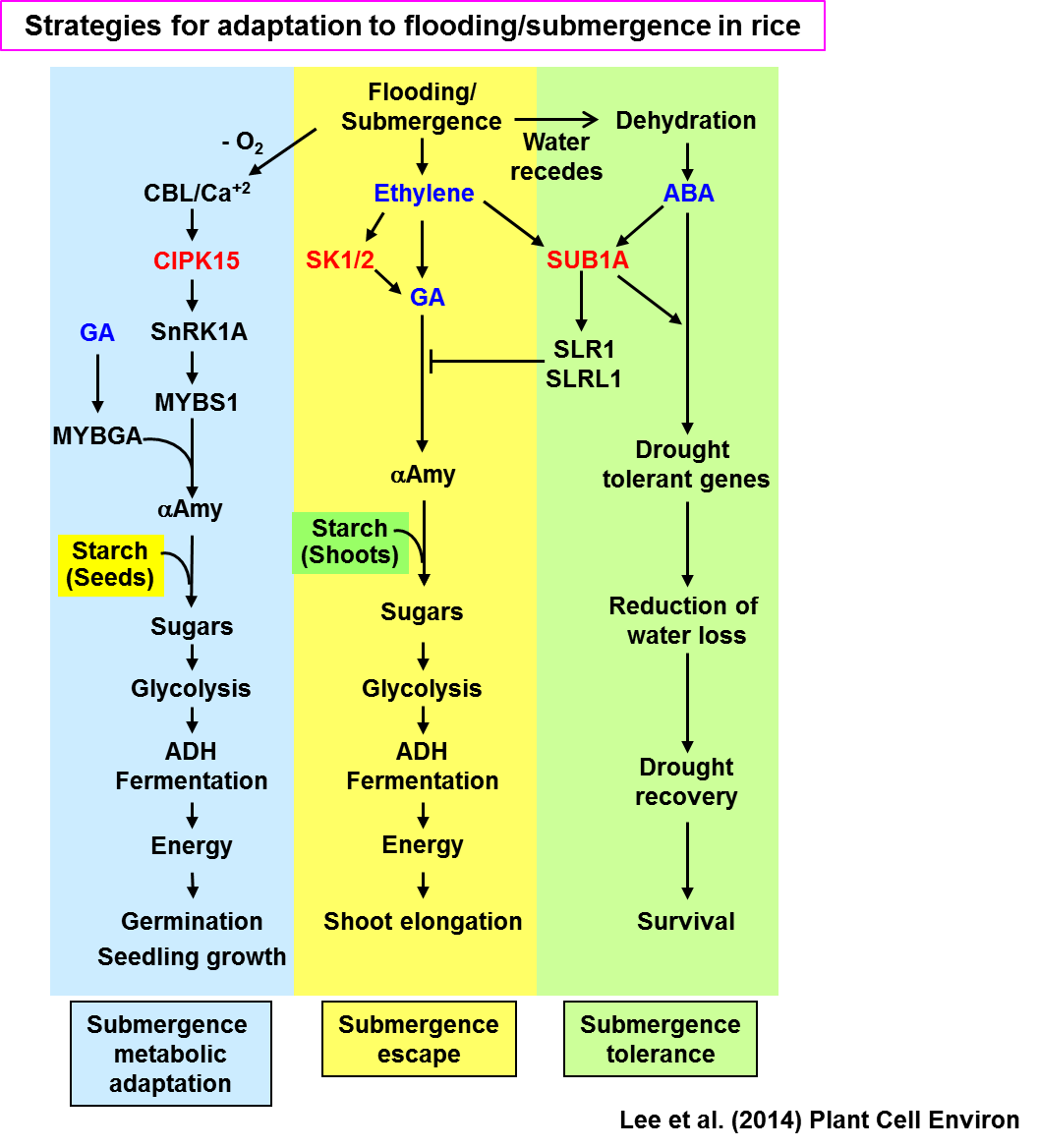
Most crops cannot withstand soil flooding and fail to germinate under water due to oxygen deficiency. In contrast, rice has evolved various strategies to adapt to these conditions and is the only cereal capable of tolerating flooding. We discovered the protein kinase CIPK15 that links oxygen deficiency signals to the SnRK1A-dependent sugar starvation-sensing cascade to regulate sugar and energy production and programs rice growth under flooded conditions. We are studying the mechanisms by which CIPK15 regulates the signaling pathway to link the metabolic and developmental changes necessary to induce flooding tolerance.
IV. Root system and stress tolerance
The root architecture of plants is essential for water and nutrient uptake, anchorage and interactions with microbes in the soil, all of which are functions that impact growth rate, yield and abiotic stress tolerance (e.g. to water and nutrient deficiencies). Root branching is enhanced by both water and nutrient deficiencies, and this root developmental plasticity is a principal strategy by which plants adapt to limited supplies of water and nutrients in the soil. Understanding the mechanism regulating root architecture under abiotic stress is of great agronomic importance. We are studying the various environmental cues underlying the mechanisms regulating root architecture. We have discovered several genes that play important roles in this regulation, which could be used to improve crops using less water and fertilizers while maintaining productivity.
V. Rice functional genomics research
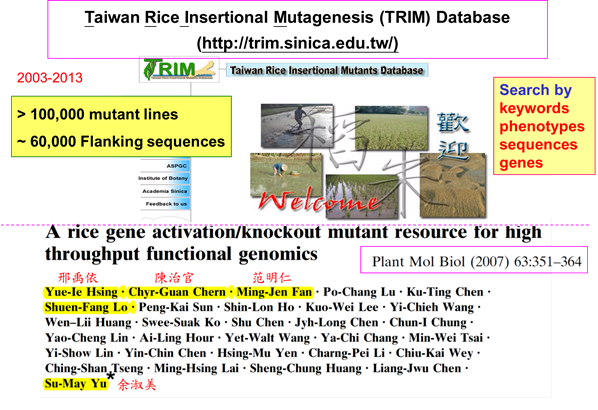
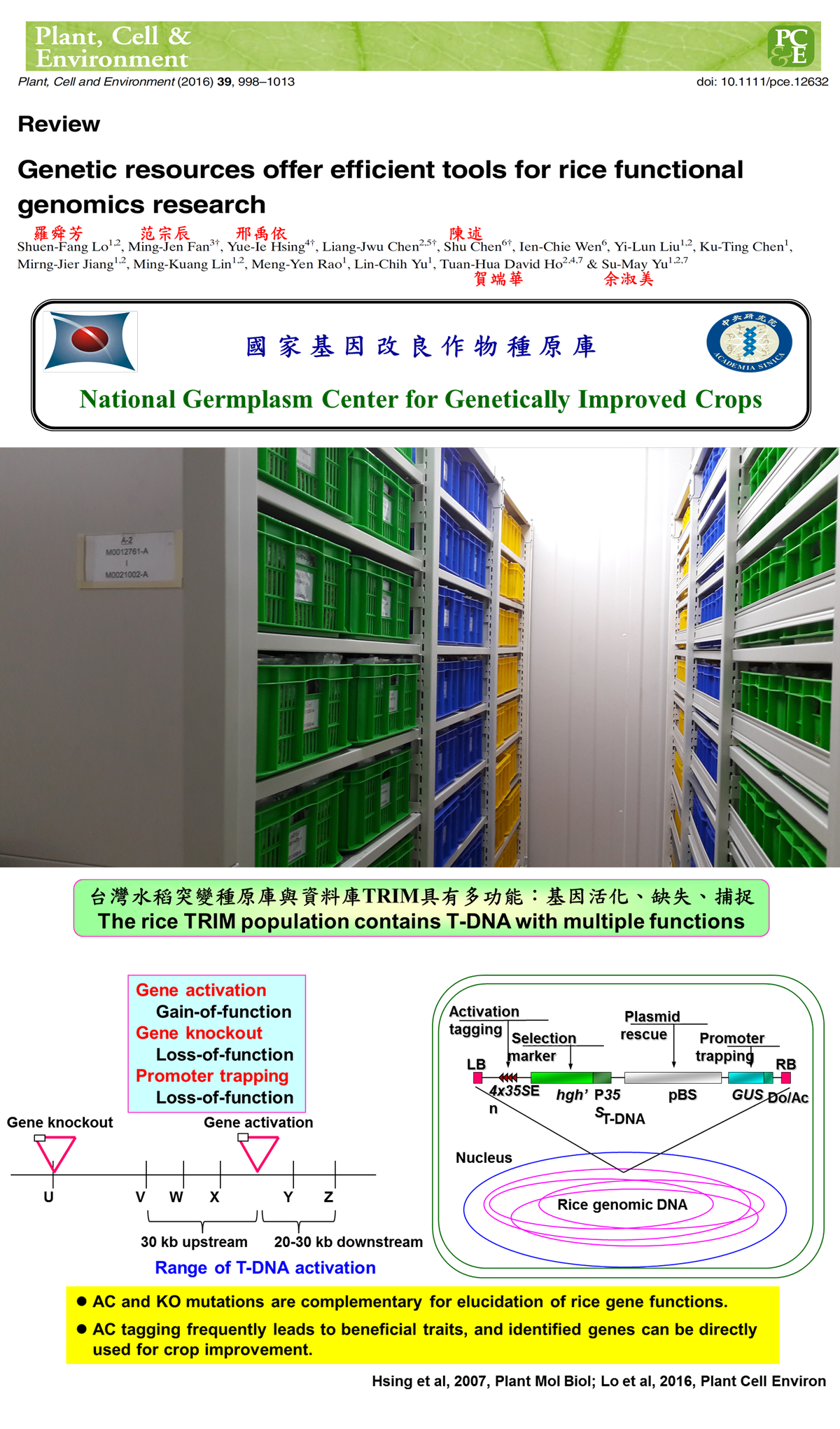
Using a T-DNA insertional mutagenesis approach, we have generated a rice mutant population containing 100,000 gene activation/knockout mutant lines and a database containing 60,000 T-DNA tagged sequences in the rice genome. This genetic resource, the Taiwan Rice Insertional Mutant (TRIM) population, is being used worldwide for rice functional genomics research. Using this resource, genes controlling plant growth, stress responses and yield have been identified, characterized, and used for rice improvement.
Below are summary slides and published papers of research accomplished in the last several years.
Rice Functional Genomics
The world population is increasing rapidly and a parallel increase in global food stocks has become a major challenge. Rice is the major dietary staple for nearly half of humanity. Rice is also a powerful model system for functional genomics study of cereals and other monocot plants. With the completion of rice genome sequencing, the next challenge would be to assign functions to the predicted 37,000-40,000 genes. We have generated a rice mutant library by a T-DNA insertional mutagenesis approach. Approximately 100,000 gene trap, knockout or activation mutant lines have been generated, and 60,000 T-DNA flanking sequence tags (FSTs) in the rice genome have been analyzed.
A searchable FST database is available at the Taiwan Rice Insertional Mutagenesis (TRIM) website (http://trim.sinica.edu.tw/), and T2 mutant seeds are available for order (http://tdna.bts.asia.edu.tw/). These resources are open to the public, and serve as a driving force in rice functional genomics research worldwide. Our mutant stocks are an invaluable resource for high-throughput rice gene functional analyses using both forward and reverse genetic approaches.
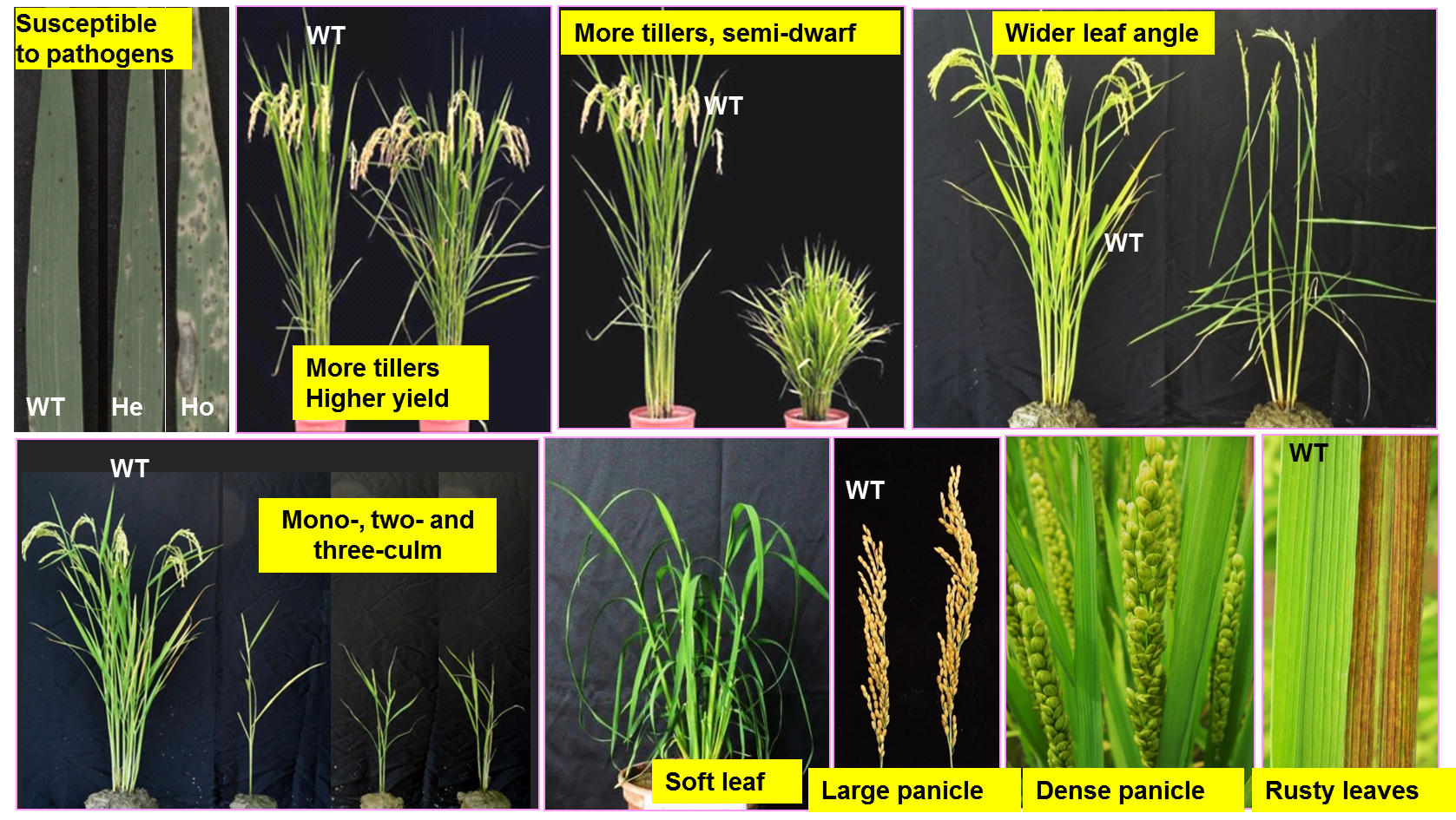
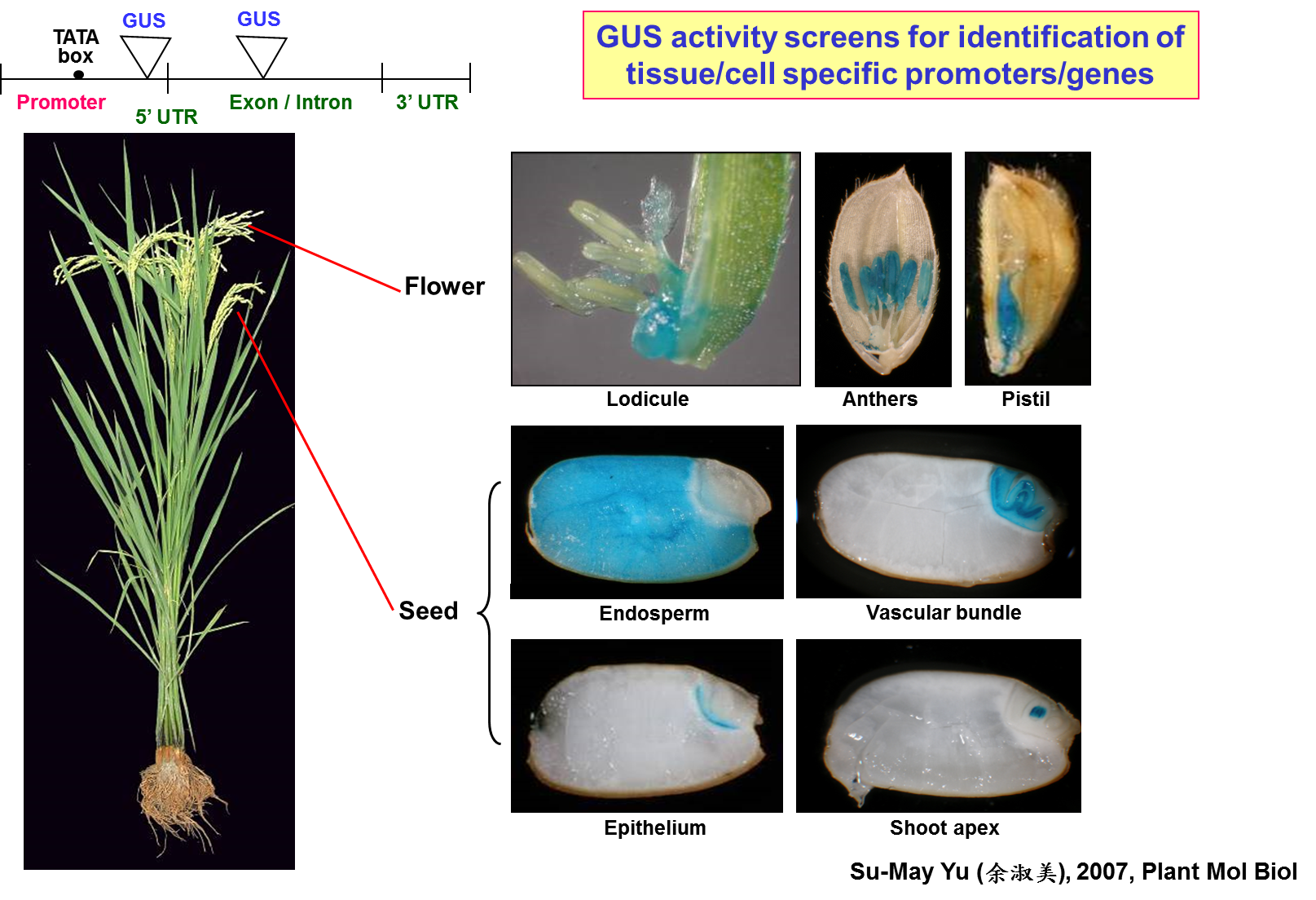
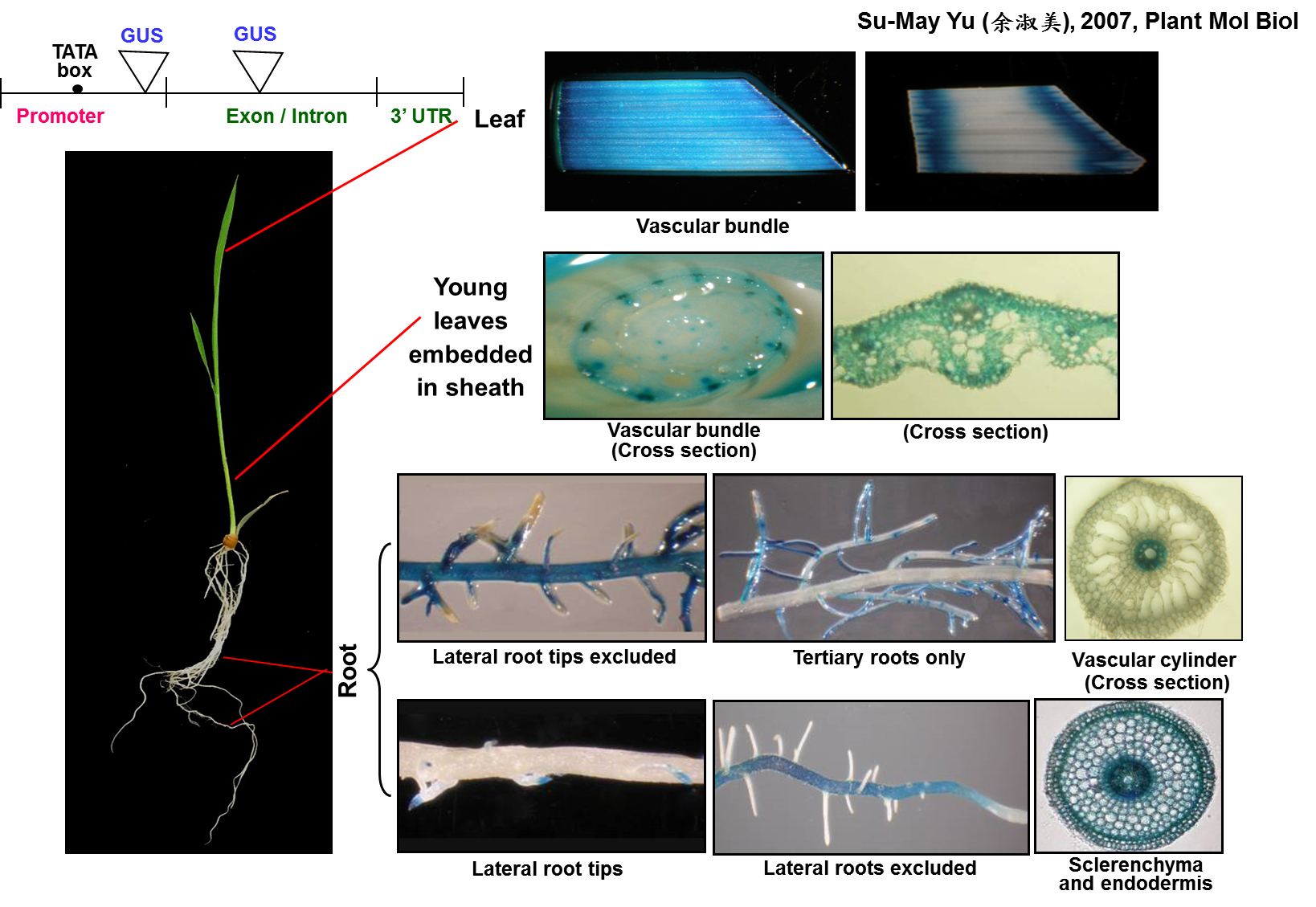
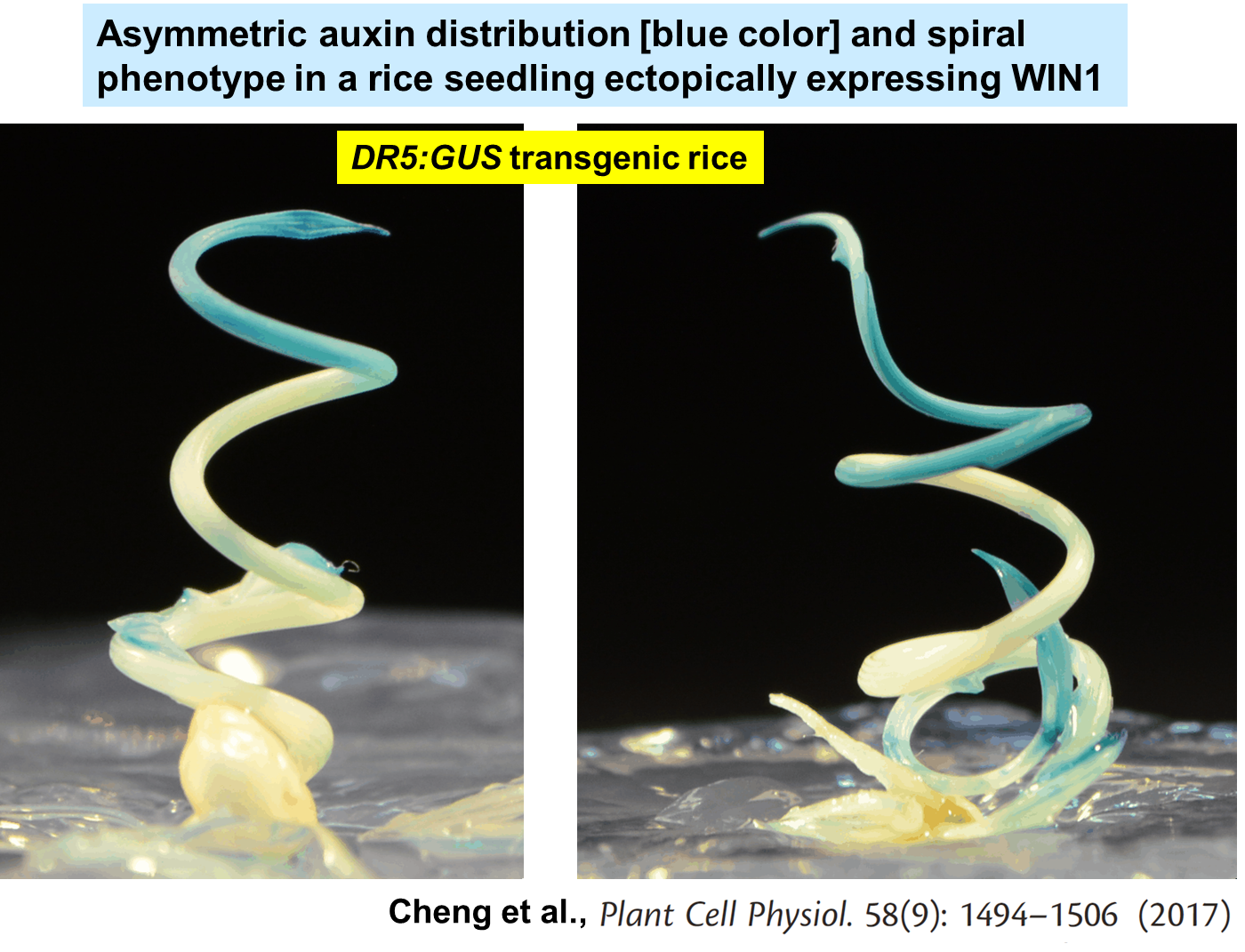
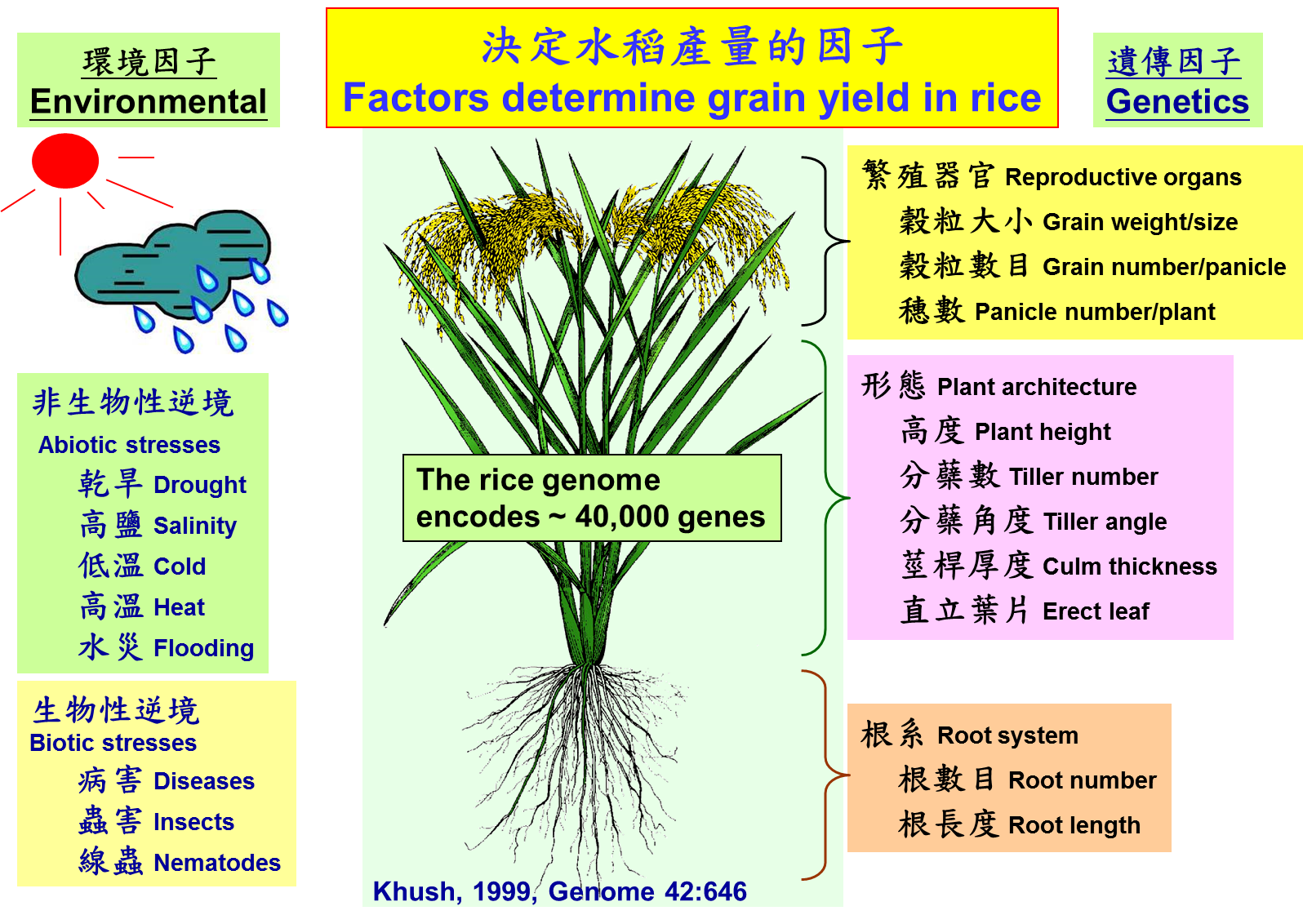
We are pursuing several major projects for improving rice yield:
1. Enhancing grain yield
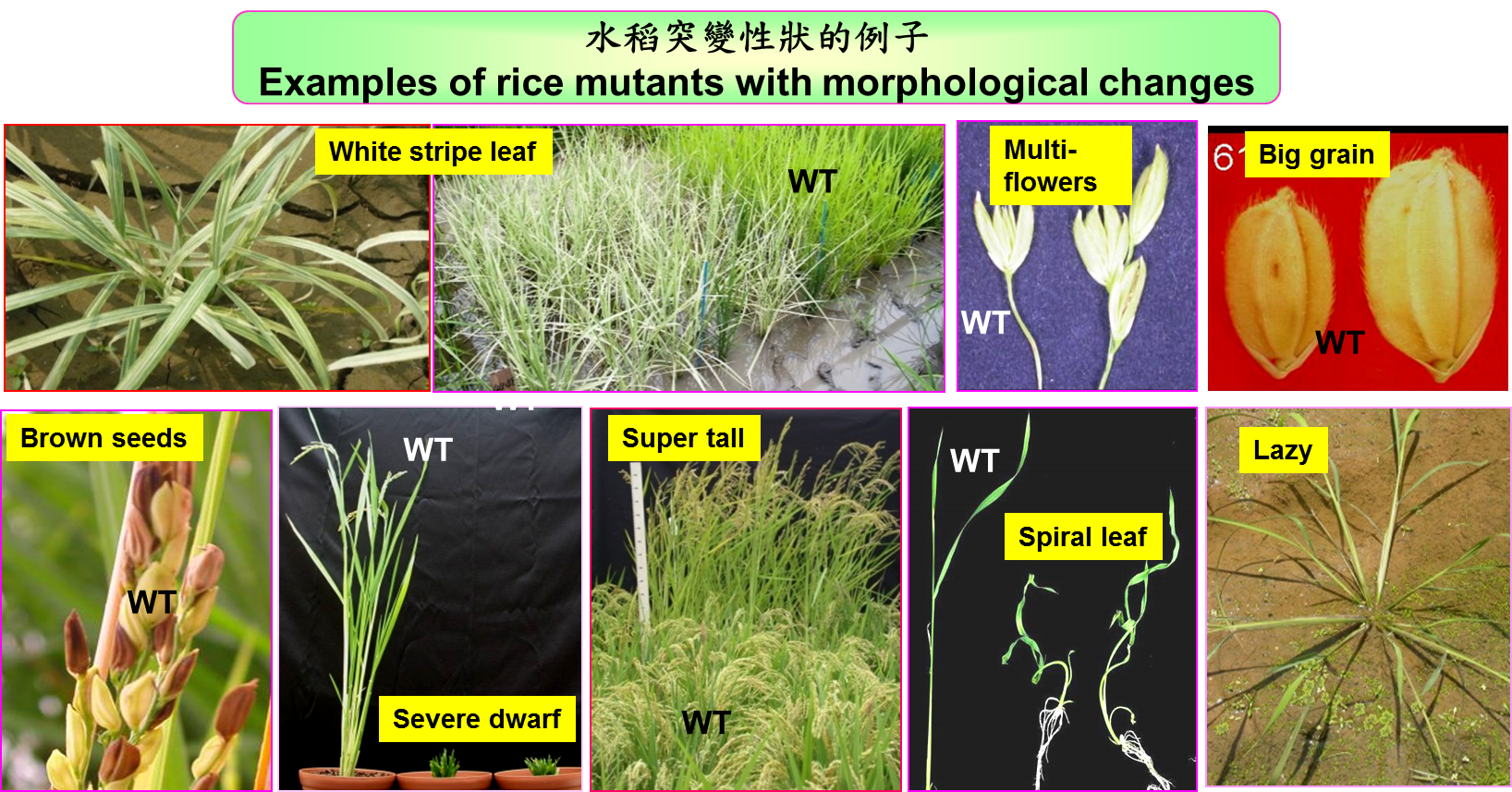
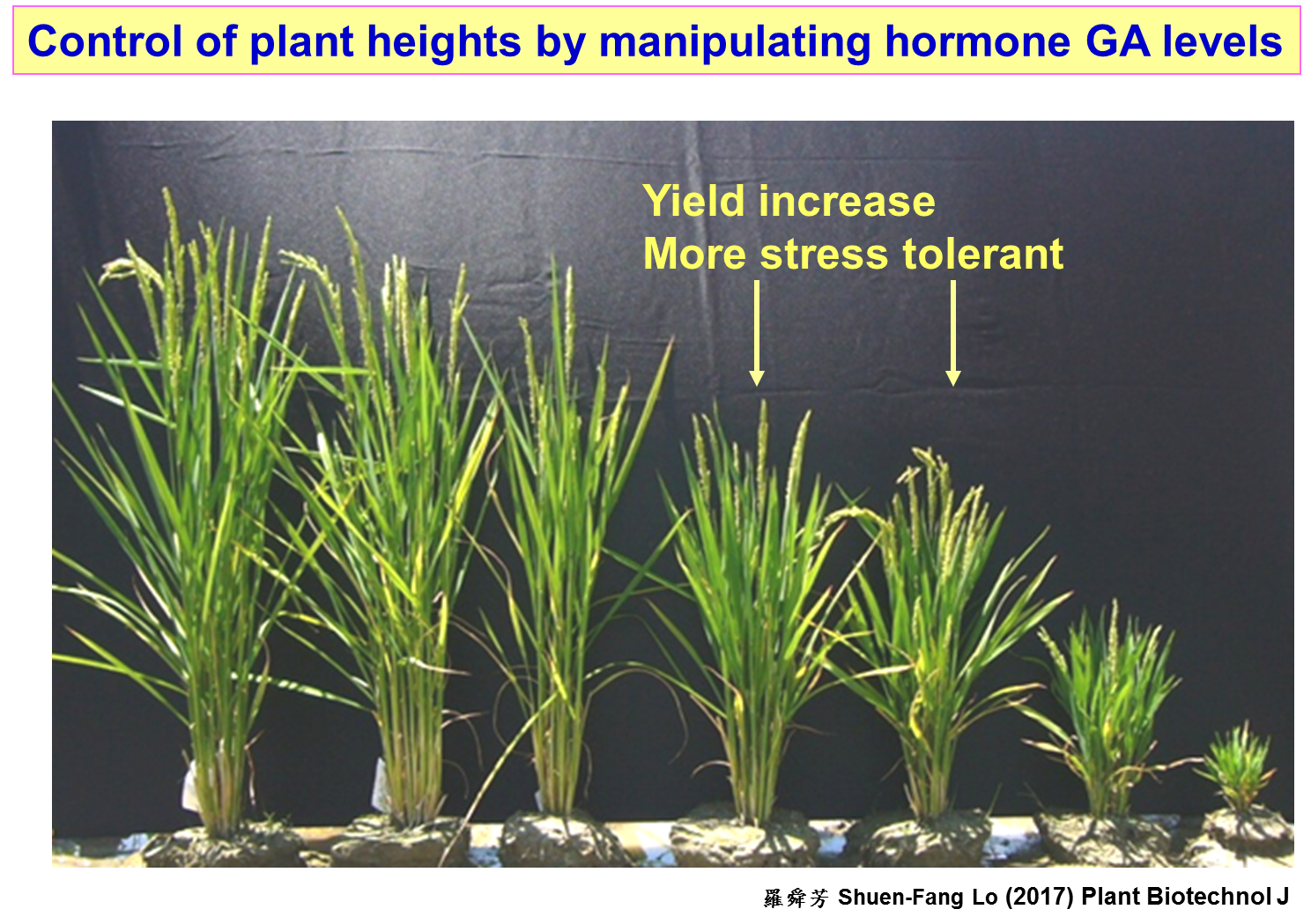
The yield of rice is governed by both genetic and environmental factors, with essential traits including grain weight, grain number, grain size, plant height, and tiller number. Additionally, resistance and tolerance to cold, drought, salt and flooding are also closely related to yield. We have identified several rice mutants from the TRIM library that exhibit altered phenotypes associated with these agronomic traits. Functions of genes associated with these traits are being investigated and validated. These genes will be used to engineer better varieties of rice, other cereals and grasses, and will contribute significantly to the increase in yields and biomass of these crops for human consumption, animal feed and bioenergy feedstock.
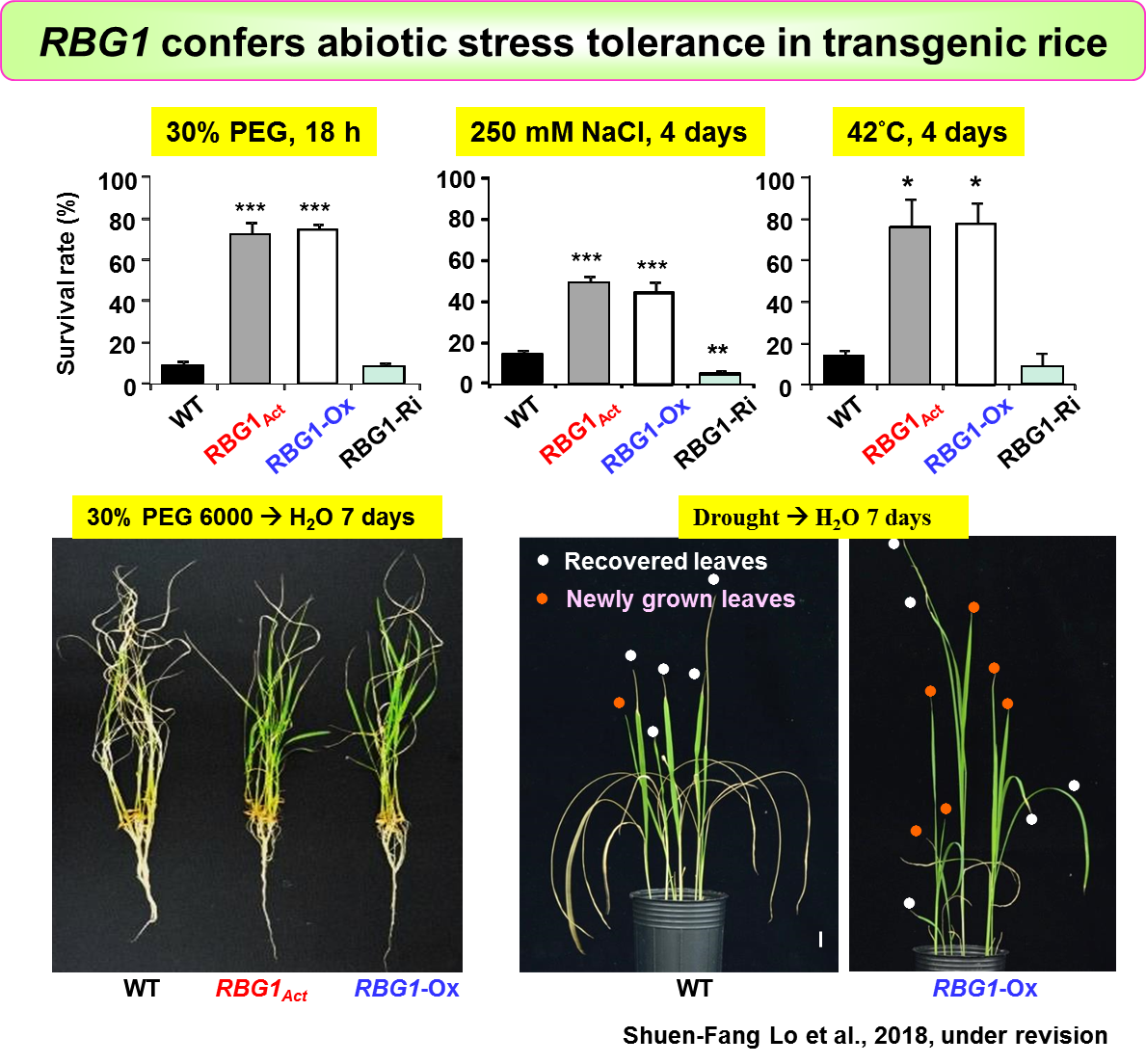
2. Improving drought tolerance
Of the 130 million hectares of rice lands, close to 30% is affected by drought, 20% by salinity, and 10% by low temperature. The development of new strategies for breeding rice with tolerance to multiple stresses that still maintain high productivity remains an important subject of research. Several related projects are in progress.
3. Generating C4-lik4 rice
As a C3 plant, rice productivity has reached the ceiling due to its internal photosynthetic capacity to harvest sunlight. One possibility to enhance rice productivity would be to introduce C4 photosynthesis into rice, as C4 crops have higher photosynthetic capacities, reduced water loss, and increased nitrogen use efficiency and yields, particularly when grown in hot and dry environments. Several features of rice are intermediate between those of C3 and C4 grasses, suggesting the feasibility of converting rice into a C4 plant. We have joined the International C4 Rice Consortium for the identification of rice genes that control C4 morphology and metabolism through forward and reverse genetics screen of TRIM mutant lines. Further characterization and functional analyses of these genes should help in breeding rice with enhanced photosynthetic efficiency and stress tolerance, and consequently higher productivity with lower requirements for water and mineral nutrients.